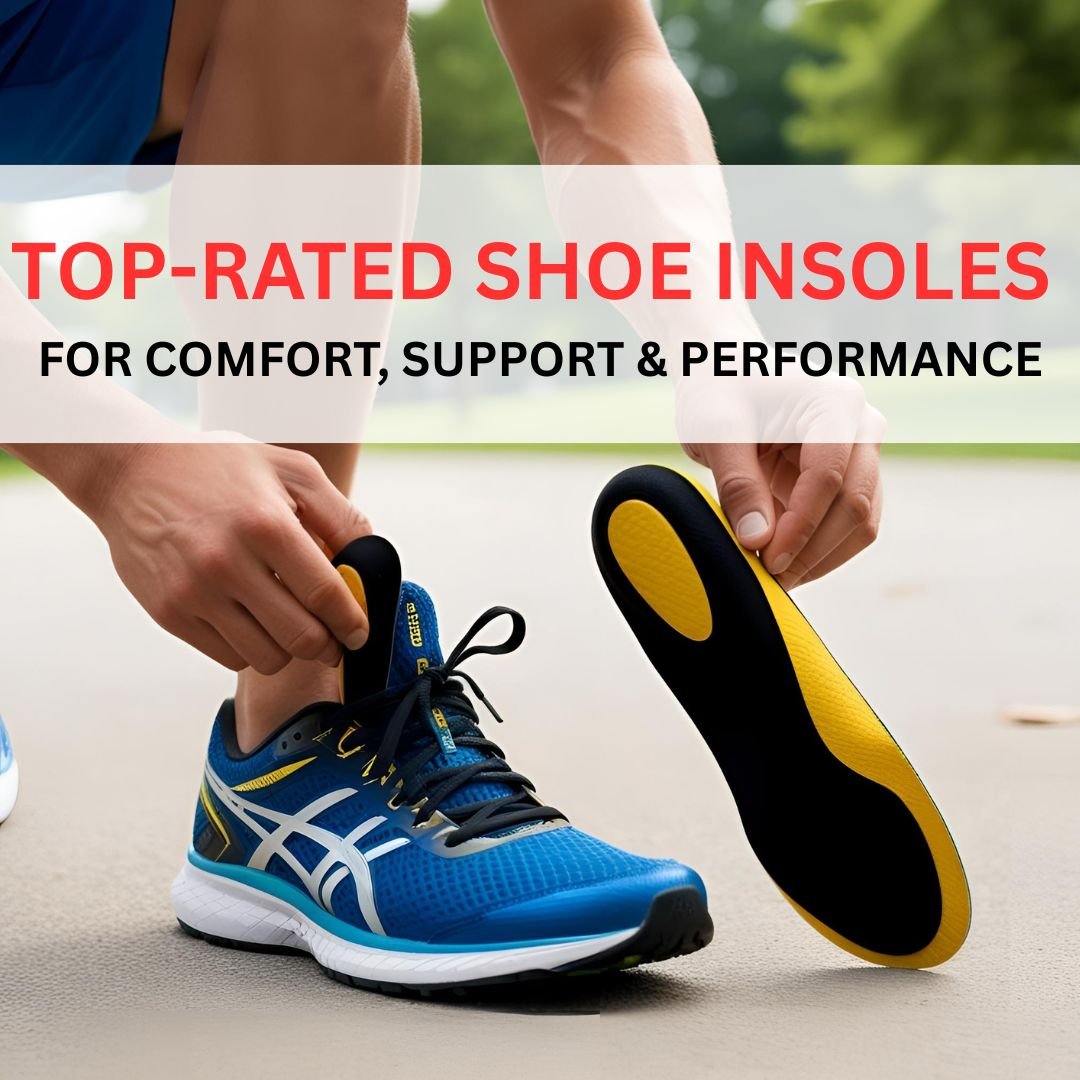
Discover everything you need to know about insoles – types, benefits, top recommendations, and how the right pair can transform your comfort, posture, and performance. Ideal for athletes, workers, and daily users alike.
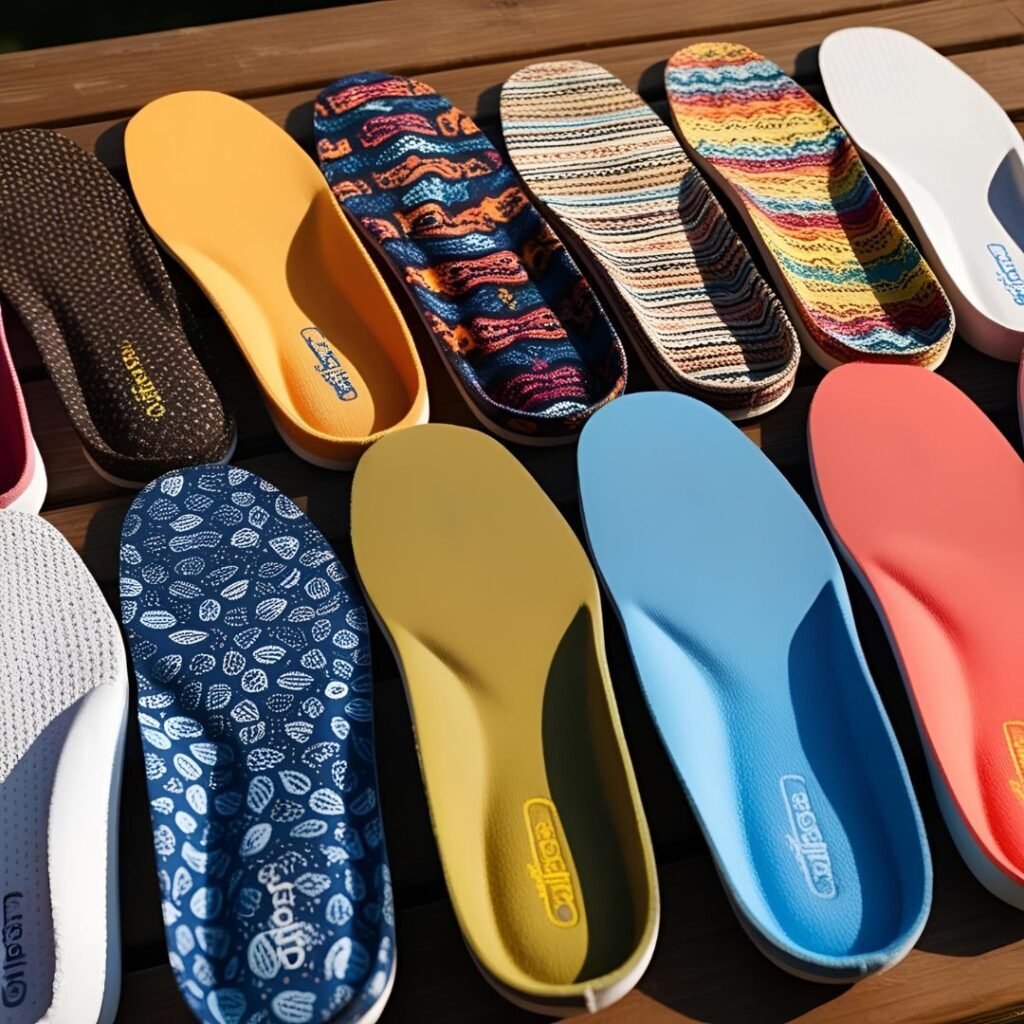
👣 What Are Insoles?
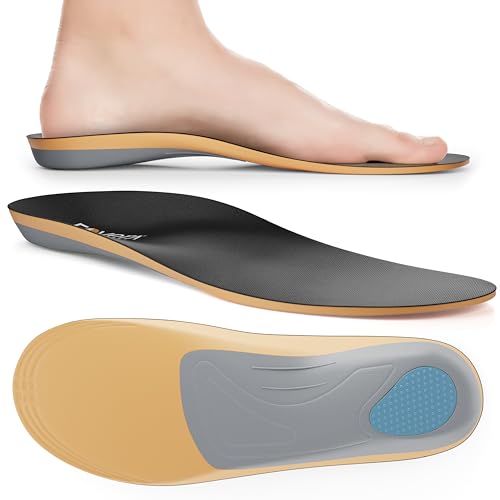
Insoles, also known as shoe inserts or footbeds, are removable layers placed inside shoes to provide additional comfort, support, and correction. Whether you’re an athlete, someone with foot pain, or just seeking better comfort while walking, the right pair of insoles can make a world of difference.
They are made from materials like memory foam, gel, EVA foam, silicone, and orthotic plastics, and come in different shapes and sizes to match various needs.
🧠 Why Should We Use Insoles?
Many people ignore the importance of insoles, but they play a critical role in foot health and body alignment. Your feet are the foundation of your body—when they’re supported correctly, your entire posture improves.
Importance of Shoe inserts in Daily Life
Incorporating insoles into daily footwear can significantly impact overall foot health and comfort. They assist in:
- Pressure Distribution: Ensuring even weight distribution across the foot to prevent localized stress.
- Arch Support: Maintaining the natural arch of the foot, reducing strain on ligaments.
- Shock Absorption: Minimizing impact forces during activities like walking, running, or standing.
- Posture Improvement: Aligning feet properly can lead to better overall posture and reduced back pain.
Risks Associated with Not Using Insoles
Neglecting the use of appropriate insoles can lead to several foot-related complications:
- Plantar Fasciitis: Inflammation of the tissue connecting the heel bone to the toes.
- Overpronation or Supination: Excessive inward or outward rolling of the foot, leading to misalignment.
- Foot Fatigue: Increased tiredness and discomfort due to inadequate support.
- Joint Pain: Strain on knees, hips, and lower back resulting from improper foot alignment.
Benefits of Using Insoles
Integrating insoles into footwear offers numerous advantages:
- Enhanced Comfort: Additional cushioning reduces discomfort during prolonged activities.
- Injury Prevention: Proper support minimizes the risk of common foot injuries.
- Improved Athletic Performance: Better foot alignment and support can enhance movement efficiency.
- Customization: Insoles can be tailored to address specific foot conditions or preferences.
🦶How Insoles Aid in Improving Health
Insoles contribute to overall health by:
- Alleviating Pain: Reducing discomfort from conditions like bunions, hammertoes, and neuromas.
- Enhancing Mobility: Providing stability and support, facilitating easier movement.
- Preventing Deformities: Supporting natural foot structure to avoid the development of deformities.
Insoles are often prescribed by orthopedists and podiatrists for:
- Biomechanical correction (e.g., overpronation or supination)
- Post-surgery rehabilitation
- Support during arthritis or joint pain
- Preventing sports injuries by absorbing impact
They also enhance blood circulation, prevent blisters, and reduce the risk of developing pressure sores, especially for diabetics.
🧩 Different Types of Shoe Inserts
Understanding the different types of insoles helps you choose the one that best matches your lifestyle and needs.
| Type of Insole | Purpose | Ideal Material | Best For |
|---|---|---|---|
| Comfort Insoles | Provide additional cushioning, daily wear | Memory foam, gel, EVA foam | Workers, commuters, elderly |
| Orthotic Support Insoles | Arch, heel & posture support | EVA foam, rigid plastic, carbon fiber | Flat feet, plantar fasciitis, knee pain |
| Sports/Training Insoles | Shock absorption, foot stability, Performance boost | Gel, PU foam, breathable mesh | Runners, lifters, gym-goers |
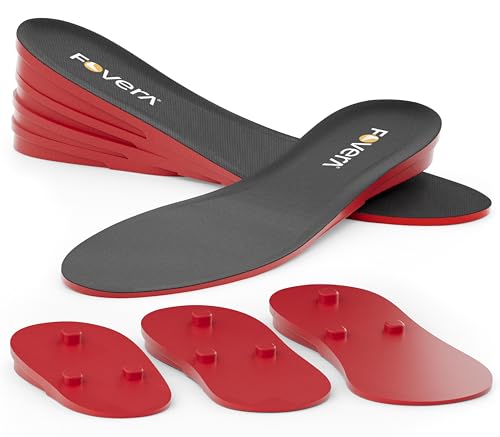
| Height Increasing Insoles | Add height (1–3.5 inches) | Layered PU, air cushions | Style-conscious users, confidence seekers |
| Diabetic/Medical Insoles | Pressure relief, health needs | Soft EVA, silicone | Diabetics, seniors, and post-op recovery patients |
How to Choose the Right Insole
When selecting insoles, consider the following factors:
- Foot Arch Type: Identify whether you have low, neutral, or high arches to choose appropriate support.
- Activity Level: Determine the primary use—daily wear, sports, or medical needs.
- Shoe Type: Ensure compatibility with the footwear in terms of size and design.
- Material Preference: Choose materials based on desired cushioning, support, and durability.
- Specific Foot Conditions: Address issues like plantar fasciitis, overpronation, or diabetes with specialized insoles.
Top 5 Picks by Insole Category
1. Comfort Insoles (For All-Day Wear)
| Product | Material | Key Features | Amazon Link |
|---|---|---|---|
| Dr. Scholl’s Everyday Comfort | Gel + fabric | All-day wear, shock absorption, Enery work, Bounce Back | Check Price |
| FOVERA Gel Comfort Insole | Silicon Gel | Thin, Anti-Slip, Extra Comfort and Support, Trimmable | Check Price |
| Frido Dual Gel Heavy Duty | Gel + Fabric | Anti-sweat fabric, Shock Absorbent, Trimmable | Check Price |
| Tynor Silicone Insoles | Silicone gel | Medical-grade support | Check Price |
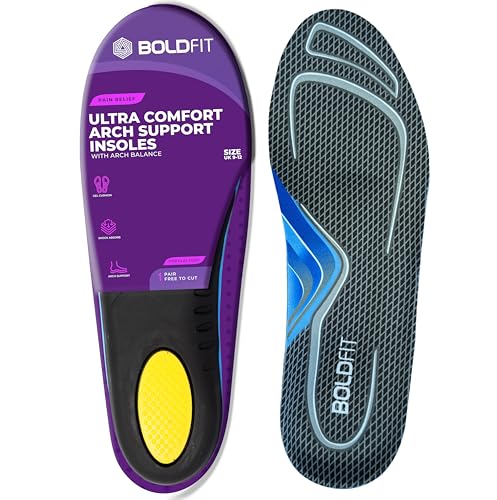
| Boldfit Insole Daily Confort | Silicon Gel | Sweat control, washable, Trimmable, Flat foot arch support | Check Price |
2. Orthotic & Medical Insoles
| Product | Material | Key Features | Amazon Link |
|---|---|---|---|
| Wonder Care Orthotic Insoles | Gel | Flat Feet, Breathable, Extra Comfort, Shock Absorption, relieve heel pain, arch pain, plantar fasciitis pain, and foot fatigue. | Check Price |
| Dr. Scholl’s Orthotics | Gel + plastic | Heel and arch correction, Anti-Slip | Check Price |
| Tynor Medial Arch Insole | Rigid EVA | Medical-grade correction | Check Price |
| 3ANGNI Arch Support Insoles | PU memory foam, breathable interlayer, EVA | Plantar fasciitis, Overpronation, heel spur, fallen arch, ball of foot pain, knee/back pain, shin splints | Check Price |
| Powerstep Full Length Orthotic Shoe Insoles | PU Foam, EVA | Original orthotic arch supporting insoles stabilize and align feet, Dual-Layer Cushioning | Check Price |
3. Sports/Training Insoles
| Product | Material | Key Features | Amazon Link |
|---|---|---|---|
| Dr. Scholl’s Performance Insoles | EVA | ActivPerform Technology – Reduces shock impact by 40 percent to protect feet and knees, Dual-Layer Cushioning | Check Price |
Gviipk Multishock Absorption | Memory Foam | Responsive TPU material provides midfoot support to prevent sprains and side slips | Check Price |
| Dr. Scholl’s Athletic Insoles | Gel cushioning | Heel stability, shock absorption | Check Price |
| Spenco Polysorb Cross Trainer | PU Foam | Cushioned, Shock Resistant, Arch Support Insole | Check Price |
| Move Game Day Performance Insoles | Dual foam | Arch Support, Heel Protector, Cushioning, Anti-odor, Pain Relief | Check Price |
4. Height Increasing Insoles
| Product | Material | Key Features | Amazon Link |
|---|---|---|---|
| Gloveit Elevator Insoles | PU + air cushion | Up to 3.5-inch lift, adjustable | Check Price |
| FOVERA Height Increasing Insoles | Gel | Waterproof, Heel Protector, Heel Lift, Washable, Height Increase, 4-level height, 2.25 inch boost | Check Price |
| Mendez Premium Height Increasing | PU Foam | Ultra soft cushioning, a strong yet lightweight material | Check Price |
| Dr. Foot’s Height Increase Insoles | PU Foam | Honeycomb design can absorb shock, | Check Price |
| SQHT Height Increase Insoles | PU Foam | Benefits to Heel Pain, Achilles Tendonitis, Plantar Fasciitis | Check Price |
5. Diabetic/Medical Insoles
| Product | Material | Key Features | Amazon Link |
|---|---|---|---|
| Tynor Diabetic Insole | EVA + soft rubber | Anti-bacterial, soft cushion | Check Price |
| Dr. Scholl’s Sensitive Footcare | Gel + cloth | Soft, safe for diabetic feet | Check Price |
| Inocep Diabetic Insoles | EVA | lightweight, additional plantar fasciitis support and cushioning | Check Price |
| Sparthos Diabetic Support | Memory foam | Arch support, pressure relief | Check Price |
| Mediva Soft Soles | Silicone | Comfortable, washable | Check Price |
⚖️ Pros and Cons of Using Insoles (with Solutions)
✅ Pros of Using Insoles
- Enhanced Comfort
Insoles provide extra cushioning which helps reduce pressure on the feet, especially during prolonged standing or walking. - Improved Foot Support
They support the arches, heels, and overall foot structure, helping prevent injuries like plantar fasciitis or shin splints. - Better Posture and Alignment
Corrective insoles can help align the ankles and knees, reducing stress on joints and improving body posture. - Pain Relief
Medical or orthotic insoles relieve pain associated with flat feet, high arches, arthritis, or diabetes-related foot issues. - Increased Athletic Performance
Sports insoles offer shock absorption and balance, enhancing movement and agility in training or competitions. - Height Boosting
Specialized height-increasing insoles can add 1–2 inches discreetly, improving confidence without discomfort. - Sweat and Odor Control
Many insoles are made with breathable, anti-bacterial materials that wick moisture and reduce foot odor.
❌ Cons of Using Insoles (with Practical Solutions)
| Con | Impact | Solution |
|---|---|---|
| 1. Not One-Size-Fits-All | Generic insoles may not fit your foot type or shoe size properly | ✅ Opt for trimmable or custom-fit insoles based on your foot shape |
| 2. Can Make Shoes Tight | Adding insoles may reduce shoe space, causing discomfort | ✅ Use thin-profile insoles or go half a size up in shoes |
| 3. Wear and Tear Over Time | Insoles lose cushioning or shape with regular use | ✅ Replace insoles every 6–12 months depending on usage |
| 4. Initial Adjustment Period | Some people feel discomfort in the first few days | ✅ Wear for shorter periods initially and gradually increase duration |
| 5. Price Variability | Premium orthotic insoles can be expensive | ✅ Evaluate needs—many affordable options offer great value and durability |
| 6. Slipping Inside Shoes | Some insoles slide or move while walking | ✅ Choose insoles with anti-slip backing or adhesive options |
| 7. May Not Fit All Shoe Types | Thick insoles may not work with formal or slim shoes | ✅ Use specialty insoles for different footwear (formal, sports, etc.) |
Best Insole Brands in India
| Brand | Best For | Key Features |
|---|---|---|
| Dr. Scholl’s | Comfort & Pain Relief | Gel insoles, odor control, arch support |
| FOVERA | Comfort and sports insoles | Dual gel technology, trimmable design, suitable for various activities |
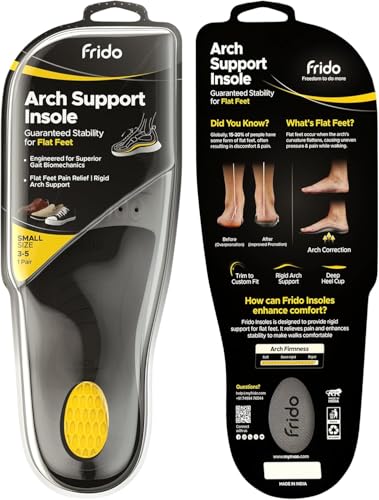
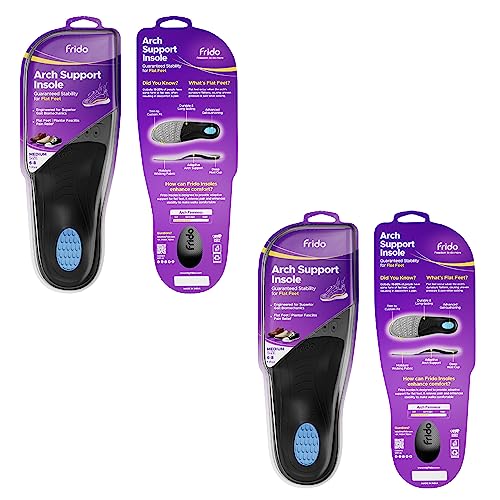
| Frido | Gel-based comfort insoles | Ultra-soft cushioning, prevents heel and leg pain, made in India |
| Heelium | Sports & Height Increase | Athletic insoles, breathable, eco-friendly |
| Gloveit | Height Boost | Elevator insoles with air cushions |
| ProActive (Tynor) | Medical/Orthopedic Use | Silicone-based, anti-bacterial, firm support |
| Shoefit India | Everyday Comfort | EVA insoles, anti-slip, arch support |

🔚 Final Thoughts
Insoles are a small investment that offer big returns for your health, performance, and daily comfort. Whether you’re aiming to relieve foot pain, run faster, or just feel better on your feet all day, there’s a perfect insole for your needs.
For best results, combine the right insole with the right footwear—and always replace them every 6–12 months for hygiene and performance.