Table of Contents
Introduction
Whey protein is more than just another buzzword in the fitness world—it’s one of the most powerful and complete sources of dietary protein available today. But what exactly is it?
Whey protein is a high-quality protein derived from milk during the cheese-making process. When milk is coagulated, it separates into two substances: curds (which make cheese) and liquid whey. That liquid is then processed and dried into the protein-rich powder we see on supplement shelves.
It’s rich in essential amino acids and has a high biological value, meaning your body can absorb and utilize it quickly and efficiently. This is one reason it’s a staple for athletes, bodybuilders, and fitness enthusiasts alike. However, it’s not just for gym rats—whey protein is also used by individuals looking to lose weight, improve overall health, and manage medical conditions like sarcopenia (age-related muscle loss).
How Whey Protein is Made ?
The process of making whey protein starts with milk. Here’s how it goes down step-by-step:
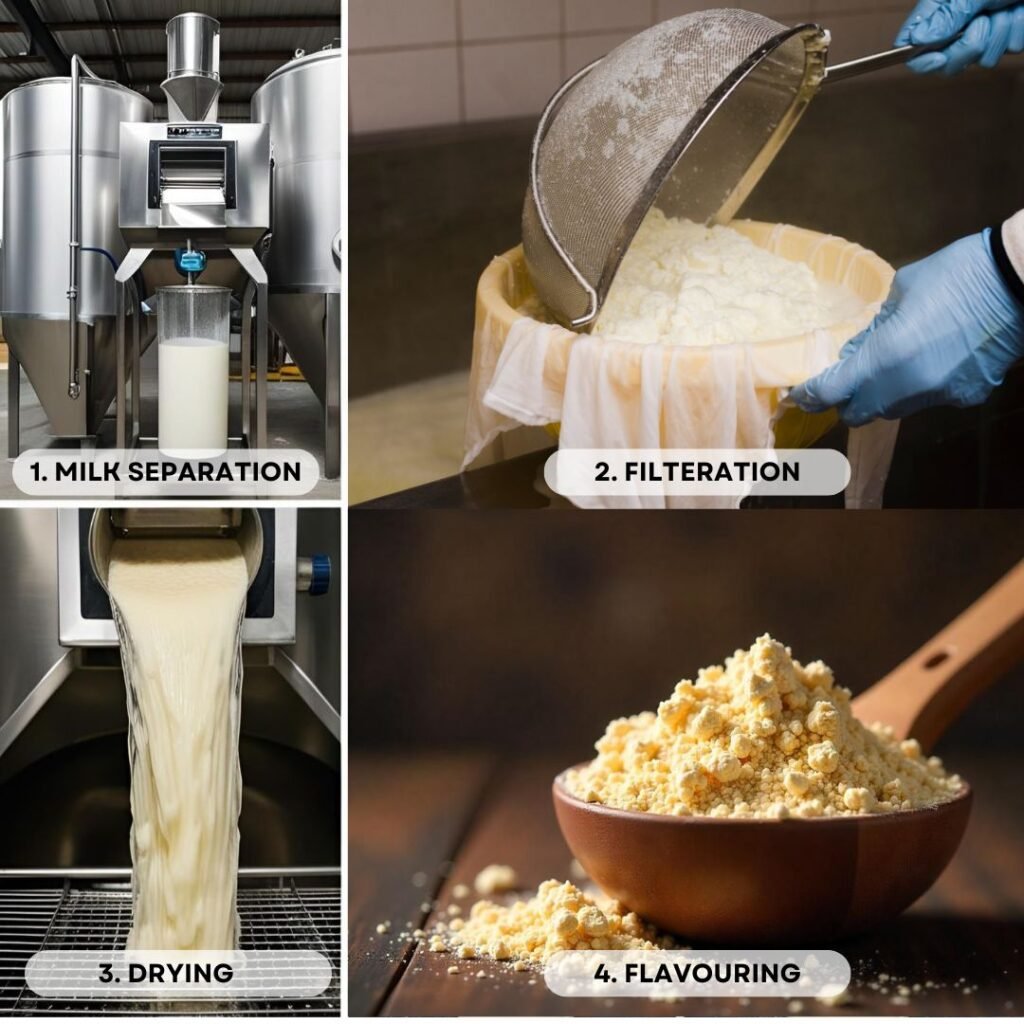
- Milk Separation: During cheese production, enzymes are added to milk, causing it to separate into curds and whey.
- Filtration: The liquid whey undergoes a series of filtration processes to remove fats and carbs, depending on the type of whey being produced.
- Drying: The liquid is then spray-dried into a fine powder.
- Flavoring (optional): Depending on the brand, flavors and sweeteners might be added for better taste.
The final result? A protein-rich powder that can be added to smoothies, shakes, or recipes for a nutritional boost.
Why Use Whey Over Other Natural Protein Sources?
Quick Absorption and Bioavailability
What sets whey apart from other protein sources like chicken, eggs, or lentils is its rapid digestibility and high bioavailability. Your body starts breaking it down almost immediately after you drink it. Compared to a chicken breast, which can take hours to digest, whey starts working in your system within 15-30 minutes.
This fast absorption is crucial post-workout when your muscles are craving nutrients for repair and growth. Plus, the amino acid profile in whey—especially the high concentration of leucine—helps stimulate muscle protein synthesis faster than any other protein source.
Nutritional Density Compared to Natural Sources
Let’s face it: prepping meals with clean protein sources like fish, lean beef, or quinoa can be time-consuming and expensive. Whey protein offers a nutrient-dense, budget-friendly, and time-saving alternative. In one scoop, you get approximately 20-25 grams of protein, negligible fats and carbs, and almost no prep time.
Here’s a quick comparison:
This table compares whey protein to common natural protein-rich foods based on 100g servings:
| Protein Source | Protein (g) | Calories | Carbs (g) | Fat (g) | Ideal For |
|---|---|---|---|---|---|
| Whey Protein Isolate | 90 | 370 | 1 | 1 | Muscle building, fat loss |
| Chicken Breast | 31 | 165 | 0 | 3.6 | Lean muscle growth |
| Eggs | 13 | 155 | 1.1 | 11 | General protein intake |
| Paneer | 18 | 265 | 6 | 20-25 | Vegan/vegetarian diets |
| Lentils (cooked) | 9 | 116 | 20 | 0.4 | Plant-based protein |
| Tofu | 8 | 76 | 1.9 | 4.8 | Vegan/vegetarian diets |
| Greek Yogurt (non-fat) | 10 | 59 | 3.6 | 0.4 | Low-calorie snacking |
You can see why whey is a no-brainer, especially when you need quick and lean protein.
Health Benefits of Whey Protein Based on Individual Needs
Muscle Building and Recovery
Whey protein is loaded with BCAAs (branched-chain amino acids), particularly leucine, which is a key driver for muscle growth. Consuming whey post-workout accelerates muscle repair and encourages hypertrophy, making it ideal for bodybuilders and gym-goers aiming to bulk up or tone.
Weight Loss and Fat Reduction
Trying to lose weight? Whey helps here too. It boosts satiety (the feeling of fullness), which can reduce calorie intake throughout the day. When paired with resistance training, whey not only helps in preserving lean muscle mass but also increases metabolism, helping your body burn more fat.
In one study, people who consumed whey as part of a reduced-calorie diet lost more body fat and retained more muscle than those who didn’t.
Immunity Boost and General Health
Beyond muscles, whey contains immunoglobulins and lactoferrin—components that help support your immune system. It’s also rich in antioxidants like glutathione, which combats oxidative stress. This makes whey an excellent addition for older adults, those with chronic illnesses, or anyone looking to improve overall health.
Types of Whey Protein
Quick Summary:
Whey Proteins:
- Whey Concentrate is affordable and tasty but may contain more carbs and fats.
- Whey Isolate is cleaner and more refined—great for those cutting or with dairy sensitivities.
- Whey Hydrolysate is pre-digested for super-fast absorption but tends to be the most expensive.
Plant Proteins:
- Pea is rich in BCAAs and easy to digest—great for sensitive stomachs.
- Rice has a mild taste and works well in blends but lacks lysine.
- Hemp is full of omega-3s and fiber, though lower in protein.
- Soy mimics whey in quality but is sometimes debated due to phytoestrogens.
- Blended plant proteins combine sources for a complete amino acid profile—ideal for vegans focused on muscle gain.
Comparison Table: Concentrate vs. Isolate vs. Hydrolysate vs. Plant Proteins
| Type | Protein % | Fat | Lactose | Digestion Rate | Price Range (per kg) | Ideal For |
|---|---|---|---|---|---|---|
| Whey Concentrate | 70–80% | Moderate | Moderate | Moderate | ₹900–₹1,500 / $20–$30 | Beginners, budget-conscious users |
| Whey Isolate | 90–95% | Low | Low | Fast | ₹1,800–₹2,800 / $35–$50 | Fat loss, lactose-intolerant individuals |
| Whey Hydrolysate | 95%+ | Very Low | Very Low | Very Fast | ₹2,500–₹3,500 / $45–$60 | Professional athletes, sensitive digestion |
| Pea Protein | 75–85% | Low | None | Easy | ₹1,200–₹2,000 / $20–$35 | Vegans, those with dairy allergies |
| Rice Protein | 70–80% | Low | None | Easy | ₹1,000–₹1,800 / $18–$30 | Mild taste preference, hypoallergenic choice |
| Hemp Protein | 50–60% | Moderate–High | None | Moderate | ₹1,500–₹2,200 / $25–$38 | Whole-food lovers, omega-3 intake |
| Soy Protein | 85–90% | Low | None | Moderate–Fast | ₹1,000–₹1,800 / $20–$30 | Muscle-building vegans/vegetarians |
| Blended Plant Protein | 80–90% | Low | None | Fast | ₹1,800–₹3,000 / $30–$50 | Complete plant-based amino acid support |
💡 Note: Each type suits different needs. Beginners often start by concentrating. Isolate is great for cutting or sensitive stomachs, and hydrolysate is favored by elite athletes.
How to Use Whey Protein Powder
Your whey intake should depend on your body weight, activity level, and goals:
| Fitness Goal | Purpose | Protein Intake (Per kg Body Weight) | Example for 70 kg Individual |
|---|---|---|---|
| General Health & Wellness | Maintain basic body functions | 0.8g/kg | 56g of protein per day |
| Muscle Gain / Bodybuilding | Maximize muscle growth & recovery | 1.5 to 2g/kg | 105–140g protein per day |
| Fat Loss (Preserve Muscle) | Lose fat while preserving lean muscle | 1.2 to1.6g/kg | 84–112g protein per day |
| Body Re-composition | Build muscle while losing fat | 1.6 to 2g/kg | 112–140g protein per day |
| Bulking | Increase muscle mass and size | 2 to 2.2g/kg | 140–154g protein per day |
Best Time to Consume Whey Protein
Timing matters too:
- Morning: To prevent muscle breakdown after overnight fasting.
- Post-workout: Best time to maximize recovery and muscle protein synthesis.
- Between meals: Helps curb hunger and maintain protein intake throughout the day.
Dosage by Fitness Goal
| Goal | Daily Intake | How to Use |
|---|---|---|
| General fitness | 1 scoop (20–25g protein) | Post-workout or with breakfast |
| Fat loss | 1–2 scoops/day | Mid-meal or post-workout |
| Muscle gain | 1.5–2.5 scoops/day | 30 mins after training + with meals |
| Athletes | 2–3 scoops/day | Pre and post-workout, during long training |
Always read the label and adjust based on your total daily protein needs (generally 1.6g–2.2g per kg body weight for active individuals).
Based on Age and Gender
Your protein needs vary depending on your age and gender.
- Young Adults (18–35): Usually the highest protein requirements, especially if you’re active. Both men and women can benefit from 1.2–2.0 grams of protein per kg of body weight.
- Middle-Aged Adults (36–55): Start focusing more on muscle retention and metabolic health. A quality whey or plant protein can support daily needs.
- Seniors (55+): Older adults face muscle wasting (sarcopenia), so supplementing with protein is crucial. Choose easily digestible options like whey isolate or hydrolysates.
Women often have lower calorie requirements than men, so a lean protein with fewer carbs and fats may be more beneficial.
Based on Dietary Preferences (Vegan, Vegetarian, Non-Vegetarian)
- Vegan: Look for blends of pea, rice, and hemp to ensure a complete amino acid profile. Avoid any whey, egg, or animal-based proteins.
- Vegetarian: You have more flexibility. Whey, casein, and plant proteins all work, depending on your dairy tolerance.
- Non-Vegetarian: Almost all protein types are available to you—whey concentrate, isolate, egg protein, and even beef collagen if desired.
Matching the supplement to your ethics and digestive comfort will help you stay consistent in using it long-term.
Based on Health Conditions (Lactose Intolerance, Allergies, Medical Conditions)
Your health should dictate what you put in your body.
- Lactose Intolerant? Choose a whey isolate or a fully plant-based protein.
- Gluten Sensitive or Celiac? Make sure the label clearly states “gluten-free.”
- Diabetic? Avoid proteins with added sugars or artificial sweeteners.
- Kidney Issues? Consult a doctor before using high-protein supplements, even if they’re “clean.”
The right protein should help you feel better, not worse.
Side Effects of Whey Protein and How to Manage Them
While whey protein is safe for most people, a few may experience mild to moderate side effects, especially when overused or consumed without considering their individual body’s tolerance levels.
Here’s a comprehensive table listing the common side effects and effective solutions:
| Side Effect | Cause | Solution |
|---|---|---|
| Bloating | Lactose intolerance, excessive dosage | Switch to isolate or hydrolysate; reduce portion size |
| Gas/Flatulence | Poor digestion, high lactose content | Use digestive enzymes or hydrolyzed whey |
| Stomach cramps | Sensitive gut or low-quality product | Opt for high-quality whey isolate or plant blend |
| Acne breakout | Hormonal reaction to dairy | Try dairy-free or non-GMO versions |
| Kidney stress | Excessive protein intake over time | Stick to recommended dosage, stay hydrated |
| Liver strain | Myth unless pre-existing liver issue | Monitor overall protein intake, consult a doctor |
The takeaway? Whey protein is generally well-tolerated, but quality, quantity, and personal sensitivity matter. Always start slow and increase as your body adapts. If issues persist, consult a healthcare professional.
Why Whey Is Essential for Fat Loss and Muscle Gain
Whey protein holds a unique advantage over traditional food proteins due to its concentration, convenience, and rapid digestion. When aiming for fat loss, you need high-protein, low-carb, and low-fat intake—exactly what whey offers. It enhances metabolism, controls hunger, and helps retain lean mass while burning fat.
For muscle gain, nothing beats whey post-workout. The fast absorption and complete amino acid profile make it the most effective in triggering muscle protein synthesis, especially when consumed right after training.
Natural food sources are excellent but time-consuming and often calorie-dense. Whey fills that gap without weighing you down.
Who Can Take Whey Protein?
Ideal Candidates for Whey Protein Supplementation
Not sure if whey protein is right for you? Here’s a quick rundown of who can benefit:
1. Fitness Enthusiasts and Athletes: If you train regularly, your body demands more protein for repair and growth. Whey helps you meet that requirement efficiently.
2. People Trying to Lose Weight: Whey promotes satiety, curbs cravings, and maintains muscle mass during a calorie deficit.
3. Busy Professionals: No time for elaborate meals? A scoop of whey with water or milk gives you a nutrient-dense snack on the go.
4. Vegetarians: While whey is derived from milk, it provides a complete amino acid profile unlike most plant sources. It’s a powerful addition to a vegetarian diet.
5. Older Adults: Age-related muscle loss (sarcopenia) can be slowed with increased protein intake, and whey offers an easy-to-digest option.
6. Recovery from Illness or Surgery: Protein is critical in tissue repair, and whey speeds up recovery thanks to its high leucine content.
Whey is not just for bodybuilders—it’s for anyone looking to live healthier and support their nutritional goals.
How to Choose the Best Whey Protein Powder
With hundreds of whey protein products flooding the market, making the right choice can feel overwhelming. Here’s what to look for:
1. Protein Content Per Serving
This is the first thing you should check. A good-quality protein supplement should deliver at least 20–25 grams of protein per scoop (about 30 grams total). If you see a product that provides less than that, you’re likely getting more fillers than fuel. Always calculate the protein-to-scoop ratio to get the best bang for your buck.
Some brands might sneak in “protein blends” with misleading labels, where only a small portion is high-quality protein, and the rest is soy or dairy fillers. Stick to those that clearly mention the source and quantity of protein.
2. Amino Acid Profile (BCAAs and EAAs)
A complete protein supplement should offer all nine essential amino acids (EAAs), especially the three branched-chain amino acids (BCAAs)—leucine, isoleucine, and valine. These are critical for muscle protein synthesis, recovery, and performance.
Look for products that highlight their BCAA content, especially leucine, which plays a major role in triggering muscle repair. If the amino acid profile is listed in detail on the label, it’s usually a good sign the brand is transparent and trustworthy.
3. Additives and Artificial Ingredients
A lot of low-cost supplements add unnecessary stuff like:
- Artificial sweeteners (aspartame, sucralose)
- Synthetic flavors and colors
- Excessive thickeners and preservatives
These can cause digestive discomfort, bloating, or even long-term health issues. Instead, look for products that use natural flavoring, minimal ingredients, and stevia or monk fruit as sweeteners if you prefer to go clean.
If you’re going to use this product daily, it’s worth investing in one that’s as clean and natural as possible.
4. Third-Party Testing and Certifications
This is the holy grail of supplement quality. Supplements are not regulated like medicines, so third-party testing ensures that what’s on the label is what you’re actually getting.
Look for certifications such as:
- NSF Certified for Sport
- Informed Choice/Informed Sport
- USP Verified
- FSSAI certification (India)
These labels ensure purity, safety, and no banned substances, which is especially important for athletes and professionals who undergo regular drug testing.
5 Mixability and Taste
If your protein tastes awful or clumps up every time you shake it, chances are you won’t use it regularly. Taste and mixability matter more than people think—they impact long-term consistency.
Read user reviews or try sample packs before committing to large tubs. A good protein powder should:
- Mix easily with water or milk
- Not leave chunks or clumps
- Taste pleasant enough to drink every day
Flavors like chocolate, vanilla, and cookies & cream are popular for a reason—they’re versatile and easy to blend with other ingredients.
Conclusion
Whey protein isn’t just for gym lovers or bodybuilders—it’s a powerhouse supplement that suits just about anyone looking to enhance their health. From speeding up muscle recovery, aiding in weight loss, improving metabolism, and even boosting immunity, the benefits are wide-ranging and proven by science.
Unlike many natural protein sources that take time to prepare and digest, whey delivers fast, efficient, and highly bioavailable nutrition when your body needs it most. Whether you choose concentrate, isolate, or hydrolysate, the key is picking one that fits your lifestyle, budget, and dietary preferences.
Whey doesn’t replace a healthy diet—it enhances it. Think of it like a handy tool in your nutrition toolkit, especially when your schedule is hectic, or your protein goals are high.
In short? If you want to get leaner, stronger, and healthier—whey protein is a smart move.
FAQs
What is whey protein powder?
Whey protein is a high-quality protein derived from milk during the cheese-making process. It is rich in essential amino acids and is quickly absorbed by the body.
What are the different types of whey protein?
The three main types are:
Whey Protein Concentrate (WPC)
Whey Protein Isolate (WPI)
Whey Protein Hydrolysate (WPH)
Is whey protein safe to consume daily?
Yes, for most healthy individuals, consuming whey protein daily is safe when taken in recommended amounts.
Can I take whey protein without working out?
Yes, but the benefits for muscle growth and fat loss are maximized when combined with resistance training or exercise.
How much whey protein should I take per day?
It depends on your goals and body weight. A common recommendation is 1.6 to 2.2g of protein per kg of body weight for muscle-building and fat-loss programs.
What is the best time to take whey protein?
Post-workout is ideal, but it can also be taken in the morning, between meals, or before bed, depending on your dietary needs.
Can whey protein help with weight loss?
Yes. Whey protein supports fat loss by reducing hunger, preserving lean muscle mass, and boosting metabolism.
Are there any side effects of whey protein?
Some people may experience bloating, gas, or digestive discomfort, especially if lactose intolerant. Choosing isolate or hydrolysate can help reduce this.
Is whey protein good for women?
Absolutely! Whey protein is beneficial for both men and women. It supports muscle toning, recovery, and overall health.
Can I mix whey protein with milk or water?
Yes. Mixing with milk adds more calories and creaminess, while water is a leaner option ideal for weight loss.
Is it okay to take whey protein during intermittent fasting?
Technically, whey protein breaks your fast, but it’s a great post-fast meal to replenish nutrients and kickstart muscle recovery.
What should I look for in a good whey protein powder?
High protein per serving
Low sugar and fillers
Third-party tested
Transparent labeling
Is whey protein better than natural protein foods?
Whey is convenient and fast-digesting, but whole foods offer additional nutrients and should be part of your balanced diet.
Is whey protein better than natural protein foods?
Whey is convenient and fast-digesting, but whole foods offer additional nutrients and should be part of your balanced diet.
Does whey protein build muscle without steroids?
Yes! Whey protein alone, combined with resistance training and proper nutrition, supports natural muscle growth.
Can whey protein cause kidney or liver damage?
In healthy individuals, moderate whey intake doesn’t harm kidneys or liver. People with pre-existing conditions should consult a doctor.
Are there lactose-free whey protein options?
Yes, whey protein isolate and hydrolysate are typically low in lactose and suitable for lactose-intolerant individuals.
Is it okay to take whey protein before bed?
Yes. Casein is ideal before bed, but whey can also be taken to prevent overnight muscle breakdown.
Can whey protein cause acne or hair fall?
Some individuals may experience acne due to hormones in dairy. Hair fall is not typically linked to whey unless there’s an underlying issue.
What is whey protein concentrate?
Whey protein concentrate is a form of whey that contains about 70–80% protein and some lactose and fats. It’s affordable and ideal for beginners or general fitness goals.
What is whey protein isolate?
Whey protein isolate is a more refined version with 90%+ protein content and very low lactose and fat. It’s suitable for lactose-intolerant individuals and those in cutting or fat loss phases.