Table of Contents
Introduction
Why Focus on Both Muscle Gain and Fat Loss?
Let’s be real—most people aren’t just trying to bulk up or shed fat. You want to look lean and strong, right? That’s exactly where body recomposition comes in. It’s about gaining lean muscle mass while simultaneously losing excess fat. A tricky combo? Sure. But it’s absolutely possible, even on a vegetarian diet.
Here’s the thing—most traditional advice is aimed at meat-eaters, so vegetarians often feel left out or confused. You might think, “Can I really get enough protein without meat?” or “Is it possible to stay lean while eating all these carbs?” The answer is yes, with the right plan.
You don’t have to choose between gaining size and staying shredded. With some smart meal planning, consistent workouts, and attention to macronutrients, vegetarians can crush both goals. It’s all about eating the right foods at the right times—and understanding how your body responds.
This article is your full roadmap. From top-tier plant-based proteins to sample 7-day meal plans and expert tips on supplements, we’re going to break it all down. Whether you’re a gym newbie or a seasoned lifter, if you’re a vegetarian, this guide is tailor-made for you.
Common Misconceptions About Vegetarian Diets and Fitness
Let’s bust a few myths right out of the gate:
- “You can’t build muscle without meat.” False. Plant-based protein sources like lentils, tempeh, and seitan are loaded with amino acids needed for muscle growth.
- “Vegetarian diets are too high in carbs to lose fat.” Not necessarily. With portion control and smart choices like quinoa and sweet potatoes, carbs can actually fuel fat loss and enhance workouts.
- “You’ll lack energy on a vegetarian diet.” Again, not if it’s balanced properly. Iron-rich foods, vitamin B12, and omega-3s help maintain energy levels, support metabolism, and promote overall health.
These misunderstandings keep a lot of people from going plant-based or sticking with their fitness goals as vegetarians. But once you know how to structure your meals, you’ll realize that being vegetarian doesn’t limit your gains—it can actually optimize them.
The Science Behind Muscle Gain and Fat Loss
Understanding Body Recomposition
Body recomposition sounds fancy, but it’s really just about two things: building muscle while reducing body fat. It’s not as simple as bulking and cutting in separate phases—it’s a blend. For vegetarians, this means dialing in both your training and diet to hit that sweet spot.
Here’s how it works:
- To build muscle, you need a slight caloric surplus and sufficient protein.
- To lose fat, you need a caloric deficit, but still enough protein to preserve muscle.
- So the trick? Eat at maintenance calories while maximizing protein intake and lifting heavy.
Your body will take cues from your training. If you’re resistance training regularly and eating enough protein, your body starts using the energy from fat stores while feeding your muscles.
And guess what? Vegetarians can do this just as well as meat-eaters. It’s all about consistency and knowing your numbers.
Importance of Nutrition in Achieving Goals
Let’s put this straight—nutrition is 80% of the game. You can have the best workout plan ever, but if your meals are off, you’ll stall your progress. For vegetarians especially, every calorie and nutrient counts.
Here’s why nutrition matters:
- Protein is critical for repairing and building muscle tissue.
- Healthy fats support hormone balance (like testosterone, which aids muscle growth).
- Complex carbs provide the fuel your body needs to train hard and recover fast.
More importantly, the timing and quality of your meals can dictate your body composition. Skipping meals, relying on processed plant foods, or not balancing macros can hinder both fat loss and muscle growth.
Get your food right, and your body will follow.
Challenges Vegetarians Face in Fitness Goals
Protein Deficiency Concerns
This is the big one—“Where will I get my protein?”
Meat-eaters get protein almost by default. Vegetarians need to be intentional. But the good news? You’ve got plenty of options. From lentils and chickpeas to quinoa and soy, plant-based sources can pack a punch.
Still, many vegetarians fall short because they:
- Underestimate how much protein they need
- Rely too heavily on carbs
- Avoid soy products out of fear
To really hit your muscle gain and fat loss goals, you’ll want at least 1.2 to 2.0 grams of protein per kilogram of body weight per day. That might mean 80–120g+ of protein daily for most people. Without meat, it’s totally possible—but you’ll need to plan carefully.
Caloric Control Without Meat
Here’s a weird paradox: a vegetarian diet can be both too low in calories and too high—at the same time.
Why?
- Low calorie: Veggies and plant-based foods are often low in density, so you may not eat enough.
- High calorie: Processed vegetarian foods (like cheese, oils, mock meats) are calorie bombs.
That makes caloric control tricky. You’ll want to track intake with a food diary or app and focus on nutrient-dense, whole-food sources like grains, legumes, and raw nuts (in moderation).
Also, remember this: Just because it’s vegetarian doesn’t mean it’s healthy.
Micronutrient Deficiencies (B12, Iron, Omega-3s)
Micronutrients are the unsung heroes of a successful diet. Unfortunately, vegetarians often miss key ones:
- Vitamin B12: Essential for energy and red blood cell production. Found mainly in animal products.
- Iron: Plant-based iron is less absorbable, so vegetarians need to consume more or pair it with vitamin C.
- Omega-3 fatty acids: Found in fatty fish—vegetarians can use flaxseed, chia, or algae-based supplements.
Deficiencies can slow your metabolism, drain your energy, and impact performance. Make sure you’re getting enough through either food or smart supplementation.
Essential Nutrients for Muscle Gain and Fat Loss
Top Plant-Based Protein Sources
Protein is the cornerstone of both muscle gain and fat loss. For vegetarians, hitting protein goals can feel like a challenge, but there’s a wide range of powerful plant-based options that do the job just fine—sometimes even better.
Here are some standout sources:
- Lentils: A staple in vegetarian diets. Just one cooked cup offers around 18g of protein. They’re also rich in fiber, helping with satiety and digestion.
- Chickpeas: Great in curries, salads, and even snacks. One cup contains roughly 15g of protein and is packed with slow-digesting carbs.
- Tofu and Tempeh: Soy-based superstars. Tofu has about 10g protein per half-cup, and tempeh packs even more—up to 15g per serving. They’re versatile and can be grilled, baked, or stir-fried.
- Seitan: Often called “wheat meat,” this gluten-based food has a whopping 20–25g of protein per 3 oz. It mimics meat in texture, making it a great choice for savory dishes.
- Quinoa: Unlike most plant sources, quinoa is a complete protein—meaning it has all nine essential amino acids. A cup of cooked quinoa contains about 8g of protein.
- Nuts and Seeds: Almonds, pumpkin seeds, chia, and flaxseeds don’t just provide protein (around 6–8g per ounce) but also healthy fats, which we’ll cover next.
The secret is variety. Combine multiple protein sources in each meal to create complete amino acid profiles. Think lentil curry with quinoa or tempeh stir-fry over brown rice. That way, you’re not only meeting your protein targets but also enhancing nutrient absorption.
If you’re serious about gains, consider supplementing with plant-based protein powders—like pea, rice, or hemp protein. Many are fortified with B12 and iron, killing two birds with one shake.
Importance of Healthy Fats
Fat has had a bad rep for decades, but it’s absolutely essential—especially when you’re trying to build muscle and burn fat simultaneously. And no, eating fat doesn’t make you fat. In fact, healthy fats support hormone function, including testosterone and human growth hormone, both of which are critical for muscle repair and metabolic activity.
Vegetarians have some excellent fat options:
- Avocados: Loaded with monounsaturated fats, fiber, and potassium. One medium avocado contains around 21g of fat and keeps you full for hours.
- Nuts and nut butters: Almonds, walnuts, cashew butter—all great sources of both protein and fats. They also contain important micronutrients like magnesium and zinc.
- Seeds: Flaxseeds, chia seeds, and hemp seeds are rich in omega-3 fatty acids, especially important for vegetarians who don’t consume fish.
- Coconut oil and MCTs: These fats metabolize quickly and are a great energy source during workouts.
- Olive oil: Best used raw or lightly cooked. Great for salad dressings or drizzling over cooked grains and veggies.
When you restrict fat too much, your hormones crash, your recovery slows down, and you feel constantly hungry. Aim for healthy fats to make up about 20–30% of your total daily calories.
Also, pro tip: Don’t cook all your fats. Heating oils can oxidize them, reducing their nutritional benefits. Use heat-stable fats like coconut oil for cooking, and keep others like flaxseed oil for cold dishes.
Key Vitamins and Minerals for Performance
Vegetarian or not, if you’re not getting the right micronutrients, your body won’t function optimally. That means slower muscle growth, reduced endurance, and poor recovery. Here are a few essentials vegetarians should prioritize:
- Vitamin B12: Crucial for energy production and nerve function. Since it’s not found in plant foods naturally, supplementation or fortified foods (like nutritional yeast or plant milks) are necessary.
- Iron: Supports oxygen transport in the blood. Plant-based iron (non-heme) is less bioavailable, so pair with vitamin C-rich foods like bell peppers or oranges for better absorption.
- Zinc: Aids protein synthesis and immune function. Found in pumpkin seeds, lentils, and whole grains, but absorption can be blocked by phytates—soaking or sprouting helps.
- Calcium: Important for bone strength and muscle contraction. Get it from fortified plant milks, leafy greens, and tofu set with calcium sulfate.
- Magnesium: Enhances recovery and sleep. Found in spinach, nuts, seeds, and whole grains.
- Vitamin D: A performance enhancer that supports immunity and testosterone levels. If you’re not getting 20+ minutes of sun daily, you’ll need a supplement.
- Omega-3 fatty acids (ALA, EPA, DHA): Essential for joint health, inflammation reduction, and cognitive performance. Flax, chia, and hemp provide ALA, but for EPA/DHA, consider an algae-based supplement.
Tracking micronutrients might sound tedious, but modern apps can help. Or simply ensure you eat a wide variety of colorful fruits, vegetables, whole grains, and seeds daily.
Designing the Ideal Vegetarian Diet Plan
Macronutrient Ratios for Recomposition
You’ve probably heard of macros—protein, fats, and carbohydrates. Getting the right ratio of these is key to achieving body recomposition. For vegetarians, the challenge lies in balancing carbs with enough protein and healthy fats.
A good starting macronutrient ratio for vegetarians looking to build muscle and burn fat:
- Protein: 30–35%
- Carbs: 40–50%
- Fats: 20–30%
Here’s why this works:
- Higher protein supports muscle building and retention.
- Moderate carbs fuel your workouts and aid recovery.
- Healthy fats ensure hormones stay balanced.
Let’s say your daily caloric goal is 2,200 calories. That would break down roughly into:
- 165–190g of protein
- 220–275g of carbs
- 50–75g of fat
That’s very doable with lentils, tempeh, whole grains, nuts, and veggies.
Another trick? Use nutrient timing. Focus your carb intake around your workouts (before and after) when your body is more insulin-sensitive. This helps shuttle nutrients into your muscles instead of being stored as fat.
Meal Timing and Frequency
You’ve heard the phrase: “It’s not just what you eat, but when you eat.” And there’s truth to it—especially when trying to achieve both muscle gain and fat loss.
Here’s a simple strategy:
- Breakfast: High-protein, moderate carbs. Kickstart metabolism.
- Pre-workout meal: Carb-rich with a bit of protein (banana with peanut butter or oats with protein powder).
- Post-workout meal: High-protein and high-carb. Think lentil curry with rice or a smoothie with protein powder, oats, and fruit.
- Dinner: Light carbs, moderate protein, and healthy fats.
- Snacks: Spread protein throughout the day with Greek yogurt (if lacto-vegetarian), trail mix, or a small shake.
Some people benefit from intermittent fasting, especially those who struggle with calorie control. A 16:8 window (fast for 16 hours, eat within 8) can help burn fat while maintaining muscle—if you hit your macros during the eating window.
The key is consistency. Your body loves rhythm. Skipping meals randomly or bingeing at night throws off your hormones, hunger cues, and energy levels.
Sample Meal Plans for Different Body Types
Body types (ectomorph, mesomorph, endomorph) play a big role in how you respond to food. Here’s a basic outline of how each should eat:
- Ectomorph (slim, fast metabolism):
- Focus: More carbs, higher calories
- Sample: Smoothie with oats, banana, peanut butter, and protein powder; tempeh stir-fry with rice; avocado toast and beans.
- Mesomorph (naturally muscular):
- Focus: Balanced macros
- Sample: Tofu scramble, quinoa salad, protein bars, Greek yogurt with berries.
- Endomorph (stocky, gains fat easily):
- Focus: Higher protein, lower carbs
- Sample: Green smoothie with protein, tofu and cauliflower rice bowls, seitan and veggie skewers.
Build your plan based on your current body type, activity level, and fitness goals. Adjust weekly based on progress.
High-Protein Vegetarian Foods You Should Include
Legumes and Lentils
Legumes and lentils are a vegetarian’s best friends. Not only are they budget-friendly and incredibly versatile, but they’re also nutritional powerhouses that support both muscle gain and fat loss. These plant-based staples are rich in fiber, iron, and of course—protein.
Here’s why they should be on your plate daily:
- Lentils: One cup of cooked lentils provides around 18g of protein and 15g of fiber. They also contain essential nutrients like folate, manganese, and iron. Lentils are great for meal preps—use them in soups, stews, wraps, and even patties.
- Chickpeas: Packed with about 15g of protein per cup, chickpeas also offer complex carbs that fuel your workouts. Roasted chickpeas make for a crunchy, protein-rich snack, while hummus is a tasty, versatile dip.
- Black beans: Contain roughly 15g of protein per cup and are high in antioxidants. Perfect for salads, burrito bowls, and even blended into protein brownies for a dessert twist.
- Kidney beans and pinto beans: Excellent sources of iron and protein, these work well in chili recipes and stews.
Beyond the numbers, legumes and lentils help keep you full longer due to their fiber content. That means fewer cravings and better calorie control—a key factor when you’re trying to lose fat without losing muscle.
The only caveat? Many legumes contain anti-nutrients like lectins and phytates, which can interfere with nutrient absorption. To reduce these effects, soak your legumes overnight or opt for sprouted versions when possible. Pressure cooking also breaks down anti-nutrients, making them easier to digest.
Want to go a step further? Pair your legumes with grains like brown rice or quinoa to create a complete protein meal. Together, they provide all nine essential amino acids needed for muscle synthesis.
Tofu, Tempeh, and Soy Products
Soy products are some of the most effective and complete protein sources available to vegetarians. They’re rich in all nine essential amino acids, making them ideal for muscle growth and repair.
Let’s break them down:
- Tofu: Made from soybean curds, tofu offers around 10g of protein per half-cup. It’s mild in flavor, meaning it can take on the taste of any marinade or sauce. Grill it, bake it, stir-fry it—it’s incredibly versatile.
- Tempeh: The fermented cousin of tofu, tempeh contains roughly 15g of protein per 3 oz serving and has a firmer texture with a nutty flavor. The fermentation process also adds gut-friendly probiotics, aiding digestion and nutrient absorption.
- Edamame: These are young soybeans, often found in pods. One cup of cooked edamame provides about 17g of protein. They’re great as a snack or tossed into salads and stir-fries.
- Soy milk: Fortified soy milk not only provides 7–9g of protein per cup but is also often enriched with calcium and vitamin B12—nutrients vegetarians can lack.
Despite the occasional fearmongering around soy, the research is overwhelmingly clear: moderate soy consumption is safe and even beneficial. It contains phytoestrogens, but these do not negatively affect testosterone levels in men or disrupt hormones in women when consumed in normal amounts.
Aim for 1–2 servings of soy per day if you’re focused on building lean muscle. Rotate between tofu, tempeh, and edamame for variety and optimal results.
Quinoa, Seitan, and Amaranth
Let’s talk about the less mainstream—but incredibly potent—plant-based proteins: quinoa, seitan, and amaranth. Each offers unique nutritional profiles and can be a game-changer for anyone serious about their fitness on a vegetarian diet.
- Quinoa: This gluten-free pseudo-grain is one of the few plant-based sources that’s a complete protein, offering around 8g per cooked cup. It’s also high in magnesium, iron, and fiber. Use it as a base for salads, bowls, or breakfast porridge.
- Seitan: Sometimes referred to as “wheat meat,” seitan is made from gluten, the protein in wheat. It provides up to 25g of protein per 3 oz—more than most cuts of meat! Its chewy texture makes it an ideal meat substitute in sandwiches, stir-fries, and kebabs.
- Amaranth: A lesser-known ancient grain, amaranth packs about 9g of protein per cup cooked and is loaded with lysine, a critical amino acid that many other grains lack. It’s great in soups, porridges, or even baked into protein bars.
What sets these apart is not just their protein content but also their micronutrient density. Quinoa and amaranth are rich in magnesium and iron—important for muscle function and energy metabolism—while seitan delivers an impressive protein punch for very few carbs or fat.
These foods also score high on the satiety index, keeping you fuller for longer. That’s key when you’re trying to stay lean while building muscle.
Pro tip: To maximize muscle synthesis, combine quinoa or amaranth with legumes. You’ll not only get a complete amino acid profile but also support better digestion, energy levels, and overall nutrient balance.
Fat-Burning Vegetarian Foods That Support Muscle Retention
Green Vegetables and Leafy Greens
Green veggies might not scream “muscle builder,” but don’t underestimate their power. They’re packed with fiber, antioxidants, and phytonutrients that support metabolism, reduce inflammation, and help your muscles recover after intense workouts.
Some of the best fat-burning and muscle-supporting greens include:
- Spinach: Loaded with iron, magnesium, and plant-based nitrates that improve blood flow to muscles. It’s low in calories and high in nutrients, making it a must-have in your diet.
- Kale: A cruciferous vegetable rich in vitamin C, which enhances collagen production and aids fat metabolism. It also provides a decent amount of calcium—essential for muscle contractions.
- Broccoli: High in fiber, vitamin K, and sulforaphane, a compound known for its fat-burning and detoxifying effects. It also contains more protein than most veggies.
- Swiss chard and arugula: Great sources of potassium, which helps reduce bloating and maintains electrolyte balance post-workout.
What’s great about leafy greens is that they’re incredibly low in calories, which means you can eat them in large quantities without worrying about fat gain. They also contain water and fiber, which helps with satiety and digestive health—two things that matter a lot when you’re watching your calories.
Try adding a handful of spinach to your smoothie, tossing kale into soups, or stir-frying broccoli with tempeh. You’ll fuel your muscles, boost fat-burning, and load your body with vital nutrients—all in one go.
Here’s a quick combo for a lean meal: Steamed broccoli, grilled tofu, and quinoa. Throw in some tahini dressing and you’ve got a macro-balanced plate rich in protein, fiber, and micronutrients.
Thermogenic Spices and Herbs
Thermogenesis is your body’s way of producing heat—and it burns calories in the process. Certain spices and herbs can kickstart this process, boosting your metabolism and helping your body torch more fat without you having to do much else. That’s the magic of thermogenic foods.
Here are some of the top metabolism-boosting herbs and spices:
- Cayenne pepper: Contains capsaicin, which increases the number of calories your body burns post-meal. It also reduces appetite, helping with portion control.
- Turmeric: Known for its anti-inflammatory benefits, turmeric can help reduce post-workout soreness and support fat metabolism.
- Cinnamon: Helps regulate blood sugar levels and curb sugar cravings—both crucial when trying to lose fat.
- Ginger: Enhances digestion, promotes fat breakdown, and helps reduce hunger.
- Black pepper: Contains piperine, which improves nutrient absorption and may support fat loss efforts.
Incorporate these spices into your cooking regularly. Not only do they enhance flavor, but they also help your body become a more efficient fat-burning machine. Add turmeric and ginger to soups, sprinkle cayenne on roasted veggies, or stir cinnamon into your morning oats or protein shake.
Herbs like parsley, cilantro, and basil also support detoxification and aid digestion, which can improve how your body absorbs nutrients—key for muscle growth.
For an easy thermogenic drink, try this: Warm water, lemon juice, a pinch of cayenne, turmeric, and ginger powder. Drink it first thing in the morning to rev up your metabolism and kickstart digestion.
Fruits That Don’t Spike Insulin
Fruit often gets a bad rap in fitness circles because of its sugar content. But not all fruits are created equal—some are actually perfect for fat loss and muscle retention because they’re low-glycemic, packed with fiber, and rich in antioxidants.
Here are the top picks:
- Berries (blueberries, raspberries, strawberries): These are low in sugar and high in fiber and antioxidants. They reduce inflammation, support muscle recovery, and don’t cause blood sugar spikes.
- Apples: A medium apple has around 4g of fiber and keeps you full for hours. Pair it with almond butter for a protein-fat-carb balanced snack.
- Grapefruit: This citrus fruit has been shown to aid in fat loss by regulating insulin and improving metabolic function.
- Avocados: Technically a fruit, they’re rich in healthy fats, potassium, and fiber. Great for satiety and hormone regulation.
- Kiwis and pears: Low-glycemic, fiber-rich options that help with digestion and appetite control.
The key is moderation and timing. Eat fruits earlier in the day or around workouts when your body is more insulin-sensitive. That way, the natural sugars are used for energy rather than stored as fat.
Also, prioritize whole fruits over juices. Juices lack fiber and spike insulin faster. Whole fruits digest slowly and release sugar gradually, supporting steady energy and fat metabolism.
Try this post-workout snack: Greek yogurt (or coconut yogurt), topped with blueberries and chia seeds. You’ll get protein, fiber, antioxidants, and healthy fats all in one delicious bowl.
Meal Prep Tips for Busy Vegetarians
Batch Cooking Strategies
Let’s be honest—if your meals aren’t ready when you’re hungry, you’re far more likely to grab something processed or order takeout. That’s why meal prepping is a game-changer, especially when you’re juggling workouts, work, and everything else life throws at you.
Here’s how to master vegetarian batch cooking:
- Pick a prep day: Most people go with Sunday. Use it to cook big batches of grains, legumes, and roasted veggies.
- Cook in bulk: Make large portions of lentils, chickpeas, quinoa, sweet potatoes, and tofu or tempeh. Store them in airtight containers to mix and match throughout the week.
- Use multipurpose ingredients: Cook ingredients that can be used in multiple meals. For example, cooked chickpeas can go in salads, curries, or wraps.
- Invest in quality storage: Use BPA-free glass containers to keep meals fresh longer. Divide meals by portion size to avoid overeating.
- Spice up your meals: Prepare different sauces (like tahini dressing, peanut sauce, or salsa) to keep the flavors exciting throughout the week.
Here’s a sample weekly batch cook list:
- 2 cups of cooked quinoa
- 2 cups of brown rice
- 1 tray of roasted vegetables (broccoli, bell pepper, zucchini)
- 2 cups of lentils or chickpeas
- 1 block of grilled tofu or baked tempeh
- 1 jar of homemade hummus
- 1 container of mixed greens
Mix and match from these ingredients to create wraps, grain bowls, salads, and stir-fries in minutes. You’ll save time, stay on track with your diet, and avoid decision fatigue throughout the week.
Storage and Reheating Tips
Proper storage and reheating can make or break your meal prep efforts. Ever dealt with soggy veggies or rubbery tofu? Yeah, no thanks. Learning how to store and reheat your food correctly keeps it fresh, tasty, and nutrient-dense—so you’ll actually look forward to eating it.
Here’s how to store like a pro:
- Refrigerator storage: Use airtight glass containers for meals you’ll eat within 3–4 days. Label with dates so you don’t forget what’s fresh.
- Freezer storage: Store portions of soups, stews, and cooked grains in freezer-safe containers. Flatten zip-top bags of curry or chili to save space and make thawing faster.
- Layered jars: For salads, layer in jars—start with dressing at the bottom, followed by grains, protein, and greens last to prevent sogginess.
When it’s time to reheat:
- Microwave: Sprinkle a little water on rice or grains before microwaving to keep them fluffy.
- Stovetop: Reheat tofu or stir-fry dishes in a pan for a few minutes. Add a splash of veggie broth to avoid sticking or drying out.
- Oven or air fryer: For crispy reheating (think roasted veggies or seitan), toss in the oven at 350°F (175°C) for 10–15 minutes or air fry for 5–7 minutes.
Pro tip: Cook and store your meals in “modular components.” This means instead of packing full meals, prep each category—grains, proteins, veggies—separately. That way, you can quickly customize meals with different sauces and seasonings so you never feel bored.
How to Keep Meals Nutrient-Dense
Meal prep isn’t just about convenience—it’s about maximizing nutrition. When your food is ready to go, you’re less likely to rely on empty-calorie snacks or skip meals. But it’s important to make sure that the meals you’re prepping are actually doing the work of building muscle and burning fat.
Follow these rules for nutrient-dense meal prep:
- Color = nutrition: Fill your containers with a rainbow of vegetables—green spinach, red bell peppers, orange carrots, purple cabbage. The more color, the broader your range of antioxidants and vitamins.
- Don’t skimp on protein: Make protein the anchor of each meal—lentils, chickpeas, tofu, tempeh, or a scoop of plant-based protein added to soups or oatmeal.
- Smart fats: Add seeds, avocado slices, or a drizzle of olive oil. But measure them! Fats are calorie-dense and easy to overdo.
- Add fermented foods: Include sauerkraut, kimchi, or yogurt to support gut health, which can indirectly support metabolism and muscle recovery.
- Use whole grains: Skip white rice and pasta in favor of brown rice, barley, farro, or quinoa for sustained energy.
And don’t forget hydration. Prepping fruit-infused waters or keeping a water bottle at your desk helps prevent dehydration—which can zap your energy, slow recovery, and stall your progress.
Planning meals around macro balance (protein, complex carbs, and healthy fats) plus micronutrient diversity gives your body everything it needs to perform and transform.
Here’s a sample weekly batch cook list:
- 2 cups of cooked quinoa
- 2 cups of brown rice
- 1 tray of roasted vegetables (broccoli, bell pepper, zucchini)
- 2 cups of lentils or chickpeas
- 1 block of grilled tofu or baked tempeh
- 1 jar of homemade hummus
- 1 container of mixed greens
Mix and match from these ingredients to create wraps, grain bowls, salads, and stir-fries in minutes. You’ll save time, stay on track with your diet, and avoid decision fatigue throughout the week.
Supplementation Tips for Vegetarian Athletes
Must-Have Supplements (B12, Creatine, Omega-3s)
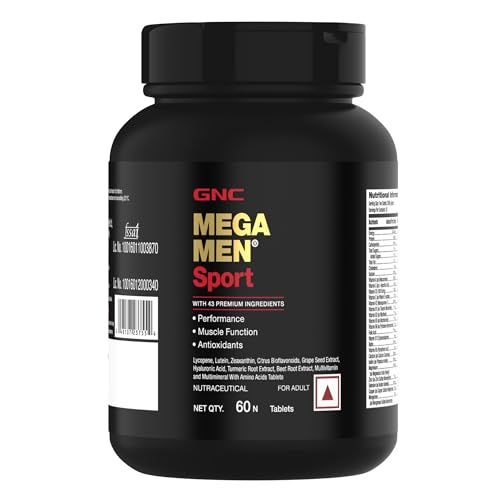
Even the most well-planned vegetarian diets can fall short in certain nutrients—especially when you’re training hard. That’s where supplements come in. They’re not a substitute for a healthy diet, but they do help fill in the nutritional gaps and optimize your performance, recovery, and gains.
Here are the non-negotiable supplements every vegetarian athlete should consider:
- Vitamin B12: B12 is essential for energy production, brain function, and the production of red blood cells. Since it’s only found in animal products, all vegetarians should supplement. Look for methyl-cobalamin (the most bioavailable form) and aim for 500–1000 mcg per day.
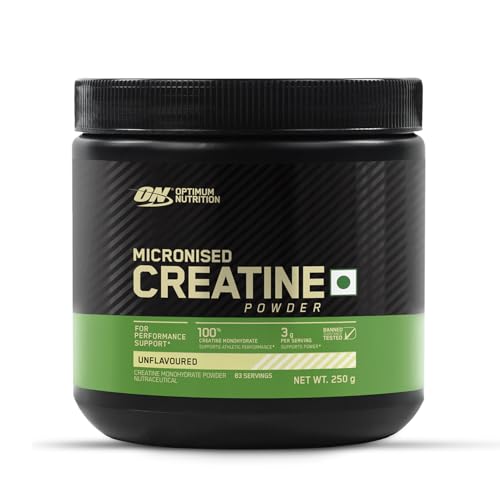
- Creatine Monohydrate: This is a game-changer for muscle gain, strength, and endurance. While creatine naturally occurs in meat and fish, vegetarians get little to none from diet alone. Supplement with 3–5g daily to see improvements in power output and muscle volume.
- Omega-3 Fatty Acids: Fish are rich in EPA and DHA—two essential fatty acids that reduce inflammation, support joint health, and promote brain function. Vegetarians can opt for algae-based omega-3 supplements, which are just as effective as fish oil without the mercury risk.
- Vitamin D3: Vital for immune function, hormone health, and bone strength. If you live in a region with limited sunlight, a daily supplement (2000–5000 IU) is smart, especially in winter months.
- Iron (if needed): Some vegetarians, particularly menstruating women, may need to supplement with iron. Use ferrous bisglycinate for better absorption and pair it with vitamin C.
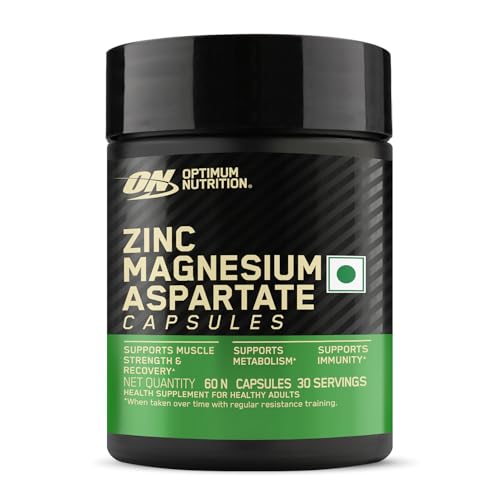
- Zinc and Magnesium: These support recovery, testosterone levels, and overall cellular function. Consider a ZMA supplement (zinc, magnesium, and B6) before bed.
Start with the essentials, track your energy and recovery, and adjust based on how your body responds. Bloodwork every 6–12 months can help you fine-tune your stack and make sure you’re not over—or under—doing it.
Protein Powders: Plant vs. Whey
Even if you’re nailing your meals, hitting daily protein targets can be a grind—especially on busy days. That’s where protein powders can seriously help. But which type is best for vegetarians?
Let’s break it down:
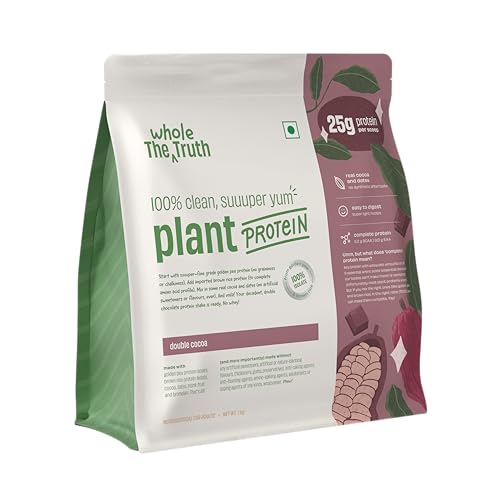
- Plant-Based Protein Powders (pea, rice, hemp, soy): Ideal for vegetarians and vegans. Look for blends that combine pea and brown rice to form a complete amino acid profile. They’re dairy-free, gut-friendly, and great for shakes, baking, or adding to oatmeal.
- Soy Protein Isolate: One of the few complete plant proteins, soy protein is comparable to whey in terms of effectiveness. It’s excellent for muscle repair and growth.
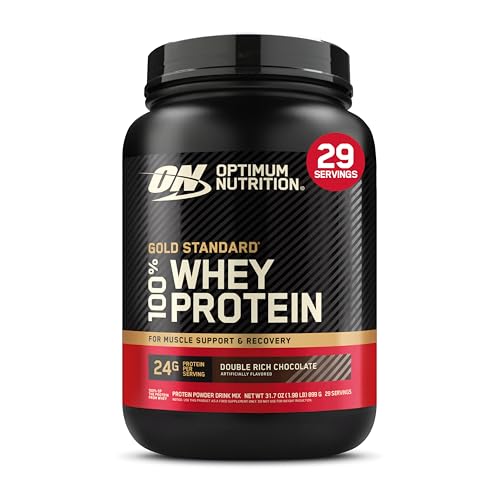
- Whey Protein: Technically for lacto-vegetarians only (not vegan). Whey is quickly absorbed and rich in leucine, which is crucial for muscle protein synthesis. If you’re okay with dairy, whey isolate is a fantastic choice.
Pro tip: Check the label. Look for powders with 20–25g of protein per serving, low sugar content, and no artificial junk. Also, choose a product with added digestive enzymes if you have a sensitive stomach.
Timing matters too. A post-workout shake (within 30–60 minutes of training) helps kickstart recovery and muscle repair.


Timing of Supplement Intake
Supplements work best when taken at the right time. Here’s a quick breakdown of when to take what for maximum results:
| Supplement | Best Time to Take | Notes |
|---|---|---|
| B12 | Morning (empty stomach) | Best absorbed with no food |
| Creatine | Post-workout or anytime | Consistency is key; daily use matters most |
| Omega-3s | With meals | Helps reduce GI issues and enhances absorption |
| Vitamin D3 | Morning with fats | Fat helps absorption; avoid at night (energizing) |
| Protein Powder | Post-workout or meal replacement | Choose based on need and training intensity |
| Iron | Morning or between meals | Take with Vitamin C for better absorption |
| ZMA (Zinc, Mag) | Before bed | Aids sleep and recovery |
Be consistent. Don’t overcomplicate things. Just set daily reminders, use a pill organizer if needed, and stay on track. Supplements are meant to support your goals—not replace a good diet or training routine.
Sample 7-Day Vegetarian Meal Plan for Re-composition
Day-by-Day Breakdown
Let’s get practical. Here’s a sample 7-day vegetarian meal plan crafted for muscle gain and fat loss. Each day includes high-protein, fiber-rich, and nutrient-dense meals that fuel your workouts, support recovery, and keep your metabolism humming.
Day 1
- Breakfast: Protein oats with almond butter, chia seeds, and blueberries
- Snack: Apple with peanut butter
- Lunch: Lentil salad with quinoa, spinach, and tahini dressing
- Snack: Protein shake with banana and almond milk
- Dinner: Tofu stir-fry with brown rice and broccoli
Day 2
- Breakfast: Scrambled tofu with veggies and whole-grain toast
- Snack: Greek yogurt (or coconut yogurt) with granola
- Lunch: Chickpea curry with millet and cucumber salad
- Snack: Roasted chickpeas
- Dinner: Grilled tempeh bowl with sweet potatoes and kale
Day 3
- Breakfast: Smoothie with plant protein, flaxseed, spinach, and berries
- Snack: Trail mix (pumpkin seeds, almonds, raisins)
- Lunch: Quinoa and black bean stuffed peppers
- Snack: Rice cakes with almond butter
- Dinner: Zucchini noodles with marinara and seitan meatballs
Day 4
- Breakfast: Buckwheat pancakes with hemp seeds and syrup
- Snack: Edamame pods with sea salt
- Lunch: Falafel wrap with hummus and veggies
- Snack: Protein bar
- Dinner: Stir-fried tofu with soba noodles and bok choy
Day 5
- Breakfast: Overnight oats with protein powder, banana, and walnuts
- Snack: Avocado toast on whole grain bread
- Lunch: Buddha bowl (quinoa, chickpeas, greens, avocado, tahini)
- Snack: Coconut yogurt with fruit
- Dinner: Vegan chili with lentils, beans, and sweet corn
Day 6
- Breakfast: Protein smoothie bowl with granola and berries
- Snack: Carrot sticks with hummus
- Lunch: Tempeh salad with olive oil and lemon
- Snack: Almonds and dried apricots
- Dinner: Baked tofu with mashed cauliflower and roasted carrots
Day 7
- Breakfast: Chia pudding with soy milk and raspberries
- Snack: Protein shake
- Lunch: Vegan sushi rolls (avocado, cucumber, tofu)
- Snack: Banana with sunflower seed butter
- Dinner: Spaghetti squash with lentil Bolognese
Shopping List Suggestions
Here’s a quick grocery list to support the 7-day plan above:
- Lentils, chickpeas, black beans
- Quinoa, brown rice, millet, soba noodles
- Tofu, tempeh, seitan
- Leafy greens (spinach, kale, arugula)
- Sweet potatoes, carrots, bell peppers, zucchini
- Fruits (berries, bananas, apples)
- Plant-based milk (soy, almond, oat)
- Protein powder (plant-based)
- Nuts and seeds (chia, flax, pumpkin, almonds)
- Olive oil, tahini, nut butters
- Whole-grain bread, oats, granola
Budget-Friendly Substitutes
Eating clean and high-protein doesn’t have to be expensive. With some smart swaps, you can stick to your vegetarian diet plan without breaking the bank. Here are some affordable substitutes that don’t sacrifice quality or nutrition:
- Instead of quinoa ➜ Use brown rice or barley: Quinoa is great, but it’s pricey. Brown rice and barley are cheaper whole grains that still provide fiber and carbs for energy.
- Instead of tempeh ➜ Use lentils or black beans: Lentils offer a similar protein punch at a fraction of the cost. They’re also more versatile and shelf-stable.
- Instead of almond butter ➜ Use peanut butter: Peanut butter is high in protein and healthy fats but far more affordable than most nut butters.
- Instead of Greek yogurt ➜ Use homemade plant-based yogurt: Make your own using soy milk and probiotic cultures—cheaper and customizable.
- Instead of fresh berries ➜ Use frozen berries: They’re just as nutritious, often cheaper, and last longer without going bad.
- Instead of protein bars ➜ Make DIY energy bites: Combine oats, peanut butter, plant protein, seeds, and a touch of honey or dates. Roll into balls and freeze.
Being on a budget doesn’t mean you have to eat boring food. It just means being strategic. Buy in bulk, shop local, and plan meals around what’s in season. Store brands and discount bins can be a goldmine for dry staples like beans, oats, and spices.
Workout and Training Strategy
Resistance Training for Vegetarians
Nutrition fuels your results, but training is what shapes your physique. If you’re aiming for muscle gain and fat loss, resistance training needs to be the core of your fitness plan.
Why?
- It builds lean muscle, which boosts your resting metabolic rate.
- It helps you burn more calories even when you’re not exercising.
- It shapes and defines your body in ways cardio alone never could.
Here’s a basic resistance training split for beginners to intermediates:
Day 1: Upper Body (push)
- Bench press
- Shoulder press
- Tricep dips
Day 2: Lower Body
- Squats
- Romanian deadlifts
- Calf raises
Day 3: Rest or light cardio
Day 4: Upper Body (pull)
- Pull-ups or lat pulldown
- Dumbbell rows
- Bicep curls
Day 5: Full Body / Functional
- Kettlebell swings
- Lunges
- Pushups
Day 6: Optional cardio or mobility
Day 7: Rest
Vegetarians might need to be more mindful of recovery and calorie intake, especially if lifting heavy. Support your workouts with adequate protein (before and after) and consider adding creatine and BCAAs if you’re pushing your limits.
Cardio Types for Fat Loss
While resistance training builds muscle, cardio helps keep your heart healthy and burns extra calories to tip the fat-loss scale. But you don’t need hours on the treadmill. The key is doing the right type of cardio, at the right time.
Here are the best cardio methods for vegetarians aiming for recomposition:
- HIIT (High-Intensity Interval Training): Short, intense bursts of activity followed by rest periods. Great for boosting metabolism and preserving muscle.
- LISS (Low-Intensity Steady State): Walking, light jogging, cycling at a steady pace. Easier on recovery days, supports fat burning without excessive fatigue.
- Fast-paced resistance circuits: Combine light weights with minimal rest for fat burn + muscle endurance.
Best times for cardio:
- Morning (fasted): Can promote fat oxidation. Keep it light to moderate if fasted.
- Post-strength session: 15–20 minutes of HIIT or incline walking can burn extra calories without interfering with lifting performance.
Cardio is a tool—not the solution. Focus more on diet and lifting, and use cardio as a supplement, not your main fat-burning method.
Recovery and Rest Strategies
Recovery is where the magic happens. You don’t grow in the gym—you grow after the gym, when your body repairs and rebuilds. If you’re constantly sore, tired, or plateaued, chances are you’re not recovering well enough.
Key recovery tips for vegetarian athletes:
- Sleep 7–9 hours per night: This is when growth hormone spikes and muscle repair occurs.
- Hydration: Dehydration slows recovery and reduces performance. Aim for 3–4 liters of water daily.
- Post-workout nutrition: Always have a protein + carb meal or shake within 60 minutes of training.
- Stretching and mobility: Spend 10–15 minutes post-workout doing static stretches or foam rolling.
- Supplements: Magnesium, zinc, and omega-3s can reduce inflammation and aid muscle repair.
Overtraining leads to injuries, fatigue, and lack of motivation. Take at least one full rest day per week. Listen to your body—sometimes backing off is what moves you forward.
Tracking Progress and Staying Consistent
Using Apps and Journals
If you’re not tracking, you’re guessing. Whether your goal is to drop 10 pounds of fat, add 5 pounds of muscle, or just eat healthier, tracking your progress keeps you focused, motivated, and accountable.
Top tools to use:
- MyFitnessPal or Cronometer: Log food intake, track macros, and monitor nutrients.
- Strong or Fitbod: Log workouts, track weights lifted, and progress over time.
- Habit trackers (Notion, Habitica, etc.): Build consistency with sleep, water, supplements.
Take weekly progress photos, measure your waist and arms, and note your energy and strength levels in a journal. Don’t just rely on the scale—it doesn’t tell the full story.
How to Make Adjustments
The scale isn’t moving. Your strength has plateaued. What do you do?
Here’s how to adjust:
- Not gaining muscle? Increase protein intake and add 200–300 calories from clean carbs and fats.
- Not losing fat? Reduce overall calories slightly (100–200 daily) and increase NEAT (non-exercise activity—walking, chores).
- Always hungry or tired? You may need more carbs or to reduce training intensity.
Revisit your goals every 4–6 weeks. Adjust your plan based on what’s working and what’s not. Flexibility is key to long-term success.
Common Mistakes to Avoid
Let’s wrap up this section with the biggest traps people fall into:
- Under-eating protein: This is the #1 mistake vegetarians make.
- Skipping meals: Causes energy dips and poor recovery.
- Relying on processed foods: Meat substitutes and fake meats are okay occasionally, but don’t build your diet around them.
- Not resting enough: More is not always better.
- Obsessing over the scale: Focus on strength, energy, and body composition.
Stay consistent, be patient, and remember: fitness is a long game.
Conclusion
Building muscle and losing fat on a vegetarian diet isn’t just doable—it’s sustainable, effective, and rewarding. By choosing whole, nutrient-rich plant foods, balancing your macros, training with intention, and supplementing smartly, you’ll be amazed at what your body can do.
This isn’t about perfection. It’s about consistency, preparation, and adaptability. You don’t need meat to build a powerful, lean physique—you need a plan, discipline, and the willingness to put in the work.
You’ve now got the blueprint. It’s time to stop wondering if it’s possible—and start proving that it is.
FAQs
Can vegetarians build as much muscle as meat-eaters?
Yes! With the right protein intake, resistance training, and recovery, vegetarians can build just as much muscle as their meat-eating counterparts.
What’s the best time to eat protein as a vegetarian?
Ideally, spread protein throughout the day—especially before and after workouts. Aim for 20–30g of protein every 3–4 hours for optimal muscle synthesis.
How do I avoid gaining fat while bulking on a vegetarian diet?
Track your macros, increase calories slowly, focus on clean carbs (like sweet potatoes and oats), and train intensely. Avoid excess oils, cheeses, and refined grains.
Is soy safe to consume daily for muscle gain?
Yes, moderate soy intake (1–2 servings daily) is safe and beneficial. It provides complete protein and contains beneficial isoflavones. Stick to minimally processed forms like tofu and tempeh.
How long before I see results on a vegetarian diet?
Visible changes usually take 4–8 weeks with consistency. Strength and energy improvements often show up within the first two weeks.
Please don’t forget to leave a review.