Table of Contents
Introduction
Why Focus on Lean Weight Gain?
Not everyone wants to get bulky or muscular when gaining weight. Some people simply want to look healthy, feel energized, and tone up without putting on too much fat. This is called lean weight gain, and it’s perfect for those aiming for a slim yet defined physique.
Whether you’re recovering from being underweight or just naturally lean, eating the right foods in the right portions can help you build a strong, toned body—without looking puffy or out of shape. It’s all about eating smarter, not just eating more.
Common Myths About Gaining Weight
Let’s bust a few myths right now:
- “Just eat more junk food to gain weight.”
Wrong. It may increase weight, but mostly in the form of fat—not what we want. - “Lifting weights makes you bulky.”
False. Toning your body requires resistance training; it doesn’t lead to huge muscles unless you train and eat for that. - “You have to eat meat to gain weight.”
Nope. Many plant-based foods are calorie-dense and protein-rich.
Gaining lean mass is a process of controlled, quality eating. Let’s dive into how it’s done.
Understanding Lean Weight Gain
The Science of Gaining Weight Without Fat
To gain weight, your body needs to consume more calories than it burns—this is called a caloric surplus. But the trick is keeping that surplus modest, about 300–500 calories above your maintenance level, to prevent fat gain.
Your body uses those extra calories to build tissue. With the right type of calories—especially proteins and complex carbs—you can encourage your body to grow muscle and restore tissues instead of storing fat.
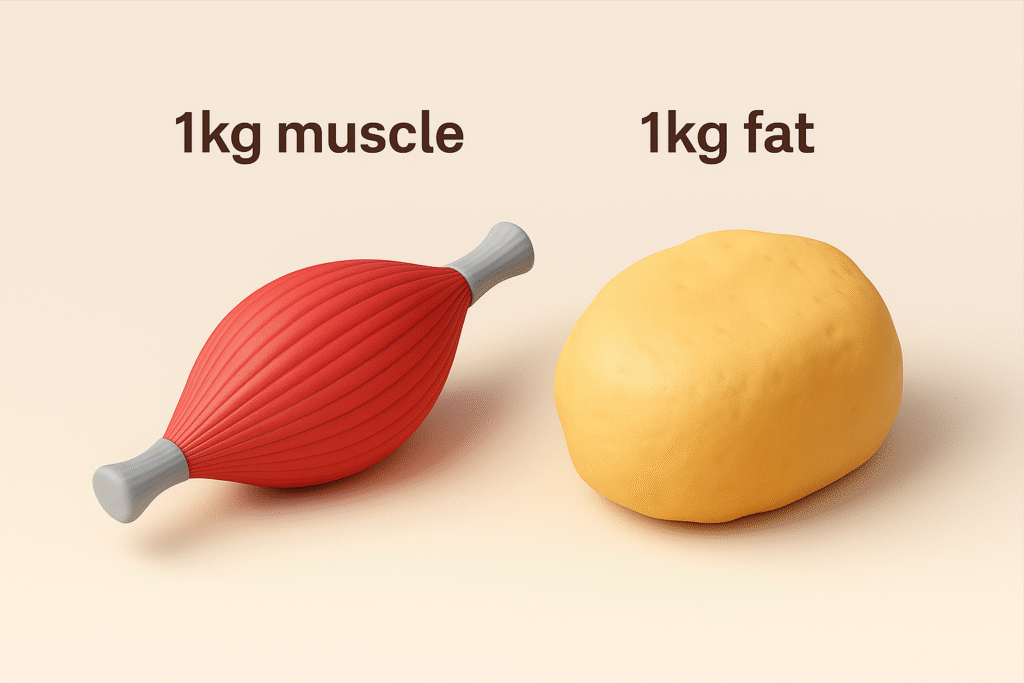
Muscle vs. Fat – What You Really Want to Gain
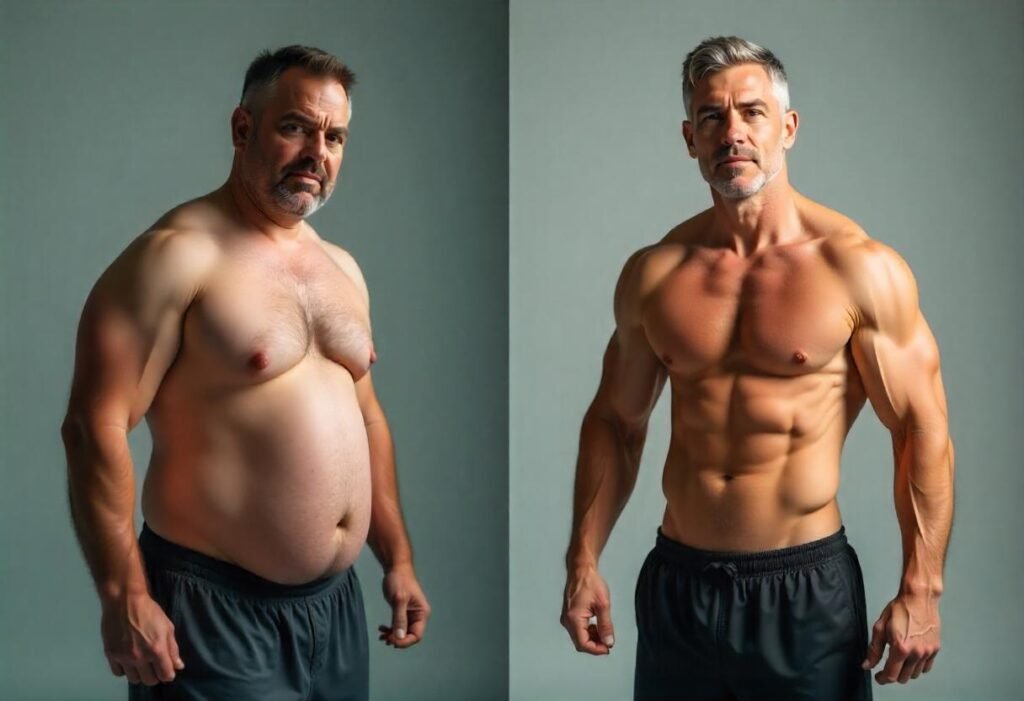
Your goal isn’t just the number on the scale—it’s how that weight looks on you. Muscle is denser and looks tighter than fat, giving your body that “toned” shape.
Building lean tissue while avoiding fat involves:
- Eating whole, unprocessed foods
- Prioritizing resistance training
- Getting enough rest and recovery
- Staying consistent with meals and activity
Key Principles of a Lean Weight Gain Diet
Caloric Surplus – The Right Way
You need to eat more—but not go overboard. Find your maintenance calories (how much you need to stay the same weight) using a calculator, then add 300–500 calories daily.
Example:
- Maintenance = 2,000 calories
- Goal intake = 2,300–2,500 calories/day
Track using apps like MyFitnessPal to ensure you’re hitting the right numbers.
Macronutrient Balance for a Toned Look
| Macronutrient | % of Calories | Role | Sources |
|---|---|---|---|
| Protein | 20–25% | Repairs, tones, builds muscle | Eggs, tofu, lentils, yogurt, chicken |
| Carbs | 45–55% | Provides energy for workouts | Rice, oats, sweet potatoes, fruits |
| Fats | 25–30% | Hormone support and calorie density | Nuts, olive oil, avocado, seeds |
Foods That Support Healthy Weight Gain
High-Calorie, Nutrient-Dense Foods
These are your go-to foods when gaining weight cleanly:
- Whole grains (quinoa, oats, brown rice)
- Nut butters (peanut, almond)
- Full-fat dairy (if not vegan)
- Avocados, olive oil
- Dried fruits and trail mix
- Smoothies with protein and healthy fats
Best Carbohydrates for Energy and Recovery
- Sweet potatoes
- Brown rice
- Whole grain pasta
- Bananas and oats
- Whole grain bread
Avoid processed sugars—choose complex carbs for sustained energy.
Clean Protein Sources for Lean Muscle
- Eggs and Greek yogurt
- Tofu and tempeh
- Legumes (lentils, beans)
- Fish or chicken (if non-vegetarian)
- Plant-based protein powders
Healthy Fats for Hormonal Balance
- Avocados
- Chia and flax seeds
- Olive and coconut oil
- Nuts (walnuts, almonds, cashews)
These help with calorie density and support muscle-building hormones.
Daily Meal Structure
Meal Frequency for Metabolism
Eat 5–6 small meals per day to make it easier to get enough calories without bloating or fatigue.
Ideal Meal Timing and Spacing
| Time | Meal Type | Example |
|---|---|---|
| 7:30 AM | Breakfast | Oats + peanut butter + banana + milk |
| 10:30 AM | Snack | Greek yogurt + honey + almonds |
| 1:00 PM | Lunch | Rice + lentils + salad + avocado |
| 4:00 PM | Snack | Protein shake + granola bar |
| 7:00 PM | Dinner | Pasta + tofu + olive oil + veggies |
| 9:00 PM | Optional light snack | Milk + banana or handful of trail mix |
Hydration and Smoothies
- Drink water consistently, but not excessively before meals.
- Smoothies with nut butter, oats, banana, and protein powder = easy, dense calories.
Sample 7-Day Weight Gain Meal Plan
| Day | Breakfast | Lunch | Dinner | Snacks |
|---|---|---|---|---|
| 1 | Oats + milk + chia seeds + banana | Brown rice + lentils + salad | Whole wheat pasta + tofu + olive oil | Yogurt + nuts, Smoothie with oats + nut butter |
| 2 | Toast + peanut butter + banana | Chickpea curry + quinoa + spinach | Sweet potato + paneer + veggies | Granola bar, Protein shake + fruit |
| 3 | Smoothie with oats + protein | Lentil soup + bread + avocado | Stir-fried rice + eggs + veggies | Cheese cubes + apple, Nut mix |
(Repeat with variations of grains, legumes, and protein sources.)
Meal Prep Tips
Cooking in Batches
- Prepare grains and legumes for 3–4 days.
- Store cooked meals in glass containers.
- Use freezer bags for smoothies.
Portable Meals for Work or School
- Use wraps, energy balls, and overnight oats.
- Keep snacks like trail mix or granola bars handy.
Flavor Without Calories
- Use spices, herbs, and lemon juice.
- Avoid excessive sauces and sugars.
Supplements for Healthy Weight Gain
When to Use Protein Powders
Use if:
- You struggle to meet protein needs.
- You skip meals.
- You train regularly and need post-workout support.
Choose clean, low-sugar protein powders.
Creatine, Omega-3s, and Multivitamins
- Creatine: Supports strength and recovery (3–5 g/day).
- Omega-3s: Reduces inflammation.
- Multivitamins: Fills nutritional gaps.
Lifestyle Tips for a Toned Body
Simple Strength Training for Definition
Focus on:
- Bodyweight workouts (push-ups, squats, planks)
- Resistance bands or dumbbells
- 3–4 sessions per week, 30–45 mins each
Sleep and Stress Management
- Aim for 7–9 hours of sleep.
- Practice breathing exercises, walks, or journaling.
Tracking Progress Without the Scale
- Take photos monthly
- Track how clothes fit
- Measure arms, waist, thighs
Mistakes to Avoid
| Mistake | Why It’s Harmful |
|---|---|
| Skipping meals | Leads to under-eating and energy crashes |
| Eating only junk | Causes fat gain, not lean mass |
| Ignoring protein | Weakens recovery and tone |
| No strength training | Misses the toning effect of muscle |
| Inconsistency | Slows progress and motivation |
Conclusion
Gaining weight doesn’t mean getting bulky or fat. With the right foods, structure, and strategy, you can build a lean, toned body that looks healthy and feels strong. Focus on nutrient-dense calories, train consistently, and track your progress patiently.
FAQs
1. How many calories do I need to gain weight without fat?
Aim for 300–500 calories above your maintenance level daily.
2. Can I gain weight with just food and no supplements?
Yes, if your meals meet your protein and calorie needs. Supplements just make it easier.
3. How long will it take to see changes?
Usually 4–6 weeks with consistency in diet and training.
4. What exercises should I do for a lean look?
Bodyweight exercises, light strength training, and short cardio 3–4×/week.
5. Is it okay to eat late at night for weight gain?
Yes, as long as it fits your daily needs and doesn’t cause digestive discomfort.
Please don’t forget to leave a review.