
Table of Contents
Introduction to Whey Protein
What is Whey Protein?
Whey protein is one of the most popular supplements in the fitness world—and for good reason. It’s derived from milk during the cheese-making process. When milk is curdled and strained, the liquid that separates is known as whey. This liquid is then processed to produce various forms of whey protein powders. .
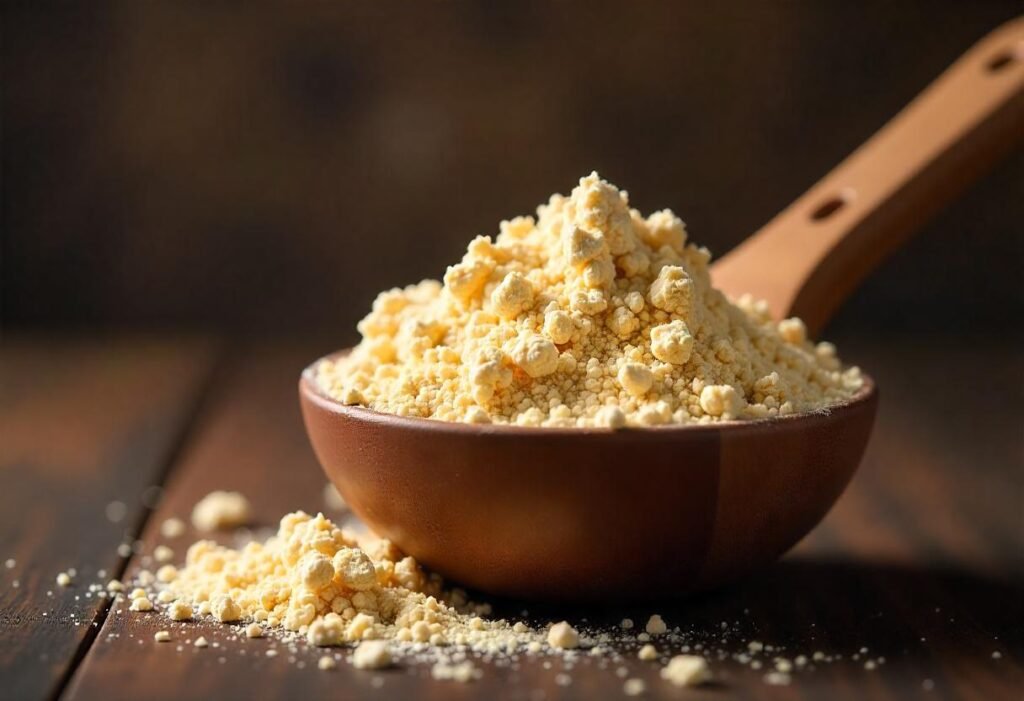
It’s a complete protein, meaning it contains all nine essential amino acids, making it perfect for anyone aiming to boost muscle growth, aid recovery, or supplement their protein intake.
Whey stands out not just for its amino acid profile but also for how quickly your body can absorb it. That’s why you’ll often hear people talk about downing a whey shake right after a workout—it gets to work fast.
Origin and Extraction Process
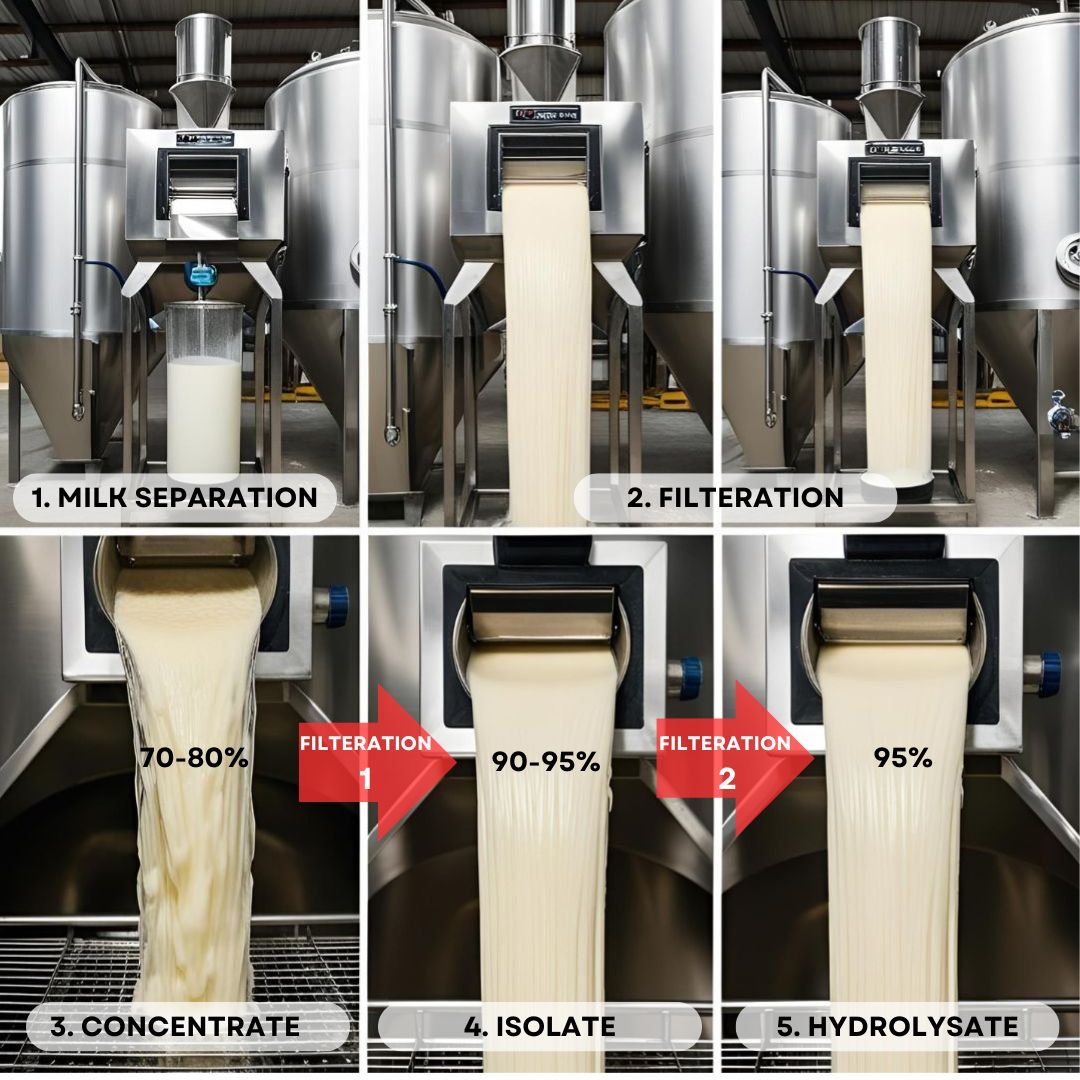
The extraction of whey protein begins with pasteurized milk, which is treated with enzymes to separate curds (used for cheese) and whey (the protein-rich liquid). This whey is then filtered, dried, and processed into powder form. The level of processing determines whether it becomes concentrate, isolate, or hydrolysate.
Different forms serve different purposes, which is why it’s crucial to know what you’re buying—especially if you’re serious about your health or fitness goals.
Types of Whey Protein Explained
Whey Protein Concentrate (WPC)
Whey Protein Concentrate is the least processed form and often the most affordable. It contains around 70-80% protein, with the remainder being carbs, fats, and lactose. It’s a solid all-rounder for general fitness needs.
It retains more of the nutrients found in whole whey, making it beneficial for those who want more than just protein in their supplement, such as immune-boosting compounds. However, the presence of lactose can be a deal-breaker for those with sensitivities.
WPC is excellent for beginners or anyone looking for a budget-friendly option that still packs a punch. It’s ideal for daily supplementation when you’re just trying to hit your protein goals.
Whey Protein Isolate (WPI)
WPI is a more refined version, undergoing additional filtration to remove most of the carbs and fats. The result? A protein powder that’s 90-95% pure protein. It’s lactose-free or nearly lactose-free, which makes it a go-to for people with dairy intolerances.
Isolate absorbs quickly, making it perfect for post-workout recovery. It’s also favored by those in cutting phases or trying to lose fat while preserving muscle.
Though it tends to be more expensive, its purity and digestibility make it worth the investment if you’re serious about results and want minimal extras in your shake.
Whey Protein Hydrolysate (WPH)
The most processed form of whey protein, hydrolysate is pre-digested. That means it’s broken down into smaller peptide chains, allowing for super-fast absorption. It’s often used in medical protein formulas or high-end performance products.
It’s ideal for people with sensitive stomachs or elite athletes looking for the fastest nutrient delivery. However, it comes at a higher price and often with a slightly bitter taste due to its broken-down state.
WPH is not necessary for everyone, but it’s a game-changer for those who train hard and want immediate recovery support.
Whey Concentrate vs Whey Isolate vs Whey Hydrolysate – Feature Comparison
Nutritional Composition Table
| Feature | Whey Concentrate | Whey Isolate | Whey Hydrolysate |
|---|---|---|---|
| Protein Content | 70-80% | 90-95% | 90-95% |
| Fat Content | Moderate | Low | Low |
| Carbohydrate Content | Moderate (includes lactose) | Very low | Very low |
| Digestion Rate | Moderate | Fast | Fastest |
| Lactose Presence | Yes | Negligible | Negligible |
| Price Range | $$ | $$$ | $$$$ |
Digestibility and Absorption Rates
Whey Hydrolysate leads in digestibility, with its pre-digested peptides racing through your digestive system. Whey Isolate comes in second, thanks to minimal lactose and fats. Whey Concentrate, while slower, still provides efficient absorption but might not be ideal for sensitive stomachs.
For post-workout recovery, Whey Isolate or Whey Hydrolysate are top-tier. For general use, Whey Concentrate is sufficient and gives a slower, steadier release of amino acids.
Lactose Content and Suitability
If you’re lactose intolerant, skip Whey Concentrate—it can cause bloating, gas, and discomfort. Whey Isolate and Whey Hydrolysate are processed to remove lactose, making them a safer choice for the lactose-sensitive crowd.
Whey Isolate is usually the safe bet if you’re unsure how your body will react, and Whey Hydrolysate is the most gut-friendly of them all, especially for clinical or therapeutic use.
Benefits of Concentrate, Isolate, and Hydrolysate Whey Protein
Each form of whey protein has unique advantages depending on your fitness journey, goals, and digestive system.
🥛 Benefits of Whey Protein Concentrate (WPC)
- Offers a balance of protein, carbs, and fats
- Perfect for those who want an all-around supplement
- Cost-effective compared to other forms
- Retains more bioactive compounds from whole milk, supporting immune health
- Preferred by athletes or beginners
- Ideal for moderate muscle growth and general wellness
🧊 Benefits of Whey Protein Isolate (WPI)
- A cleaner option, with almost entirely protein
- Works great for those who are cutting fat while maintaining muscle
- Low in carbs and lactose, suitable for mild dairy sensitivities
- Fast-absorbing, aiding quick muscle recovery
- Ideal for building lean mass
- Suitable for people who want a high-protein, low-calorie supplement
⚡ Benefits of Whey Protein Hydrolysate (WPH)
- Pre-digested, making it the fastest absorbing form
- Used in clinical settings and by high-performance athletes
- Provides rapid nutrient delivery to muscles
- Helps reduce muscle soreness and accelerates recovery
- Most hypoallergenic form of whey
- Best for individuals with extreme lactose intolerance or sensitive digestion
Potential Side Effects and Who Should Avoid Them
While whey protein is generally safe, there are a few caveats:
- Whey Protein Concentrate Side Effects: Because it contains lactose, those with dairy intolerance may experience bloating, gas, or digestive distress. Overuse can also lead to unwanted fat gain due to its slightly higher calorie count.
- Whey Protein Isolate Effects: Side effects are minimal. However, ultra-processed isolates may strip away some of the micronutrients and immune-boosting elements found in concentrate.
- Whey Protein Hydroisolate Side Effects: The taste can be bitter due to hydrolysis, and the cost is significantly higher. While it’s gentle on digestion, its advanced nature might be overkill for casual gym-goers.
Overconsumption of any protein can stress kidneys, especially in people with pre-existing conditions. It’s always wise to balance protein intake with plenty of water and nutrient-dense whole foods.
How Many Dosage of Whey Protein Supplement are Safe ?
Whey protein isn’t one-size-fits-all. Your ideal dose depends on your fitness goal, body weight, and activity level. Here’s a breakdown:
🧘 General Fitness
- Total Protein Goal: 0.8 – 1.2 grams per kg of body weight (A 60kg individual needs a max of 72g protein intake per day)
- From Whey Supplements: 20 – 30 grams (≈ 1 scoop per day)
- From Whole Foods: The rest (eggs, milk, legumes, chicken, etc.)
- Why?: Supports muscle repair, general wellness, and easy recovery from light activity
- Tip: Ideal for beginners or those who stay active but don’t train intensely
🔥 Fat Loss
- Total Protein Goal: 1.2 – 1.5 grams per kg of body weight. (A 60kg individual needs a max of 90g protein intake per day)
- From Whey Supplements: 30 – 40 grams (≈ 1 to 1.5 scoops)
- From Whole Foods: Focus on lean meats, low-fat dairy, and legumes
- Why?: Maintains muscle during a calorie deficit and keeps you full longer
- Tip: Choose Whey Isolate for fewer calories and faster absorption
💪 Muscle Gain
- Total Protein Goal: 1.8 – 2.2 grams per kg of body weight. (A 60kg individual needs a max of 132g protein intake per day)
- From Whey Supplements: 40 – 50 grams (≈ 1.5 to 2 scoops)
- From Whole Foods: Prioritize high-quality proteins like beef, chicken, eggs, and lentils
- Why?: Promotes hypertrophy and supports intense training recovery
- Tip: Use supplements around workouts and meals for muscle protein synthesis
⚖️ Body Recomposition
- Total Protein Goal: 2 – 2.2 grams per kg of body weight. (A 60kg individual needs a max of 132g protein intake per day)
- From Whey Supplements: 30 – 45 grams (≈ 1.5 to 2 scoops)
- From Whole Foods: Combine animal and plant proteins for better amino acid balance
- Why?: Helps shed fat while preserving or gaining lean muscle
- Tip: Whey Isolate post-workout + Concentrate during the day works best
🍽️ Bulking
- Total Protein Goal: 2.0 – 2.5 grams per kg of body weight. (A 60kg individual needs a max of 150g protein intake per day)
- From Whey Supplements: 50 – 60 grams (≈ 2 to 2.5 scoops)
- From Whole Foods: Use calorie-dense proteins like red meat, dairy, nuts, whole eggs
- Why?: Meets high protein demands for muscle growth and calorie surplus
- Tip: Include casein at night for slow-digesting protein support
Note:
- The whey supplement range is based on average scoop size (1 scoop ≈ 25g protein).
- Whole foods offer additional benefits like fiber, vitamins, and minerals—essential for long-term health.
- Always consult a nutritionist if you have kidney or digestive issues before increasing protein intake.
Understanding Which Protein Supplement Suits You the Most?
| Whey Type | Ideal Users | Best For | Extra Information |
|---|---|---|---|
| Whey Protein Concentrate (WPC) | – Beginners to gym or fitness – Budget-conscious users – Individuals without lactose issues – General wellness seekers | – Overall health – Muscle maintenance – Meal replacement | Affordable and nutrient-rich. Retains more immune-boosting compounds. Contains lactose and small amounts of fats/carbs. Not ideal for cutting phases. |
| Whey Protein Isolate (WPI) | – People aiming for fat loss – Lactose-sensitive individuals – Athletes on strict diets – Lean muscle seekers | – Fat loss – Lean muscle gain – High protein intake with low calories | Contains 90–95% protein with minimal carbs and fats. Lactose-free or near-lactose-free. Quick absorption makes it ideal for post-workout recovery. |
| Whey Protein Hydrolysate (WPH) | – Elite bodybuilders – Individuals with digestive sensitivities – Medical patients – High-performance athletes | – Ultra-fast recovery – Clinical nutrition – Hypoallergenic needs | Pre-digested for rapid absorption. Very low in allergens and suitable for sensitive stomachs. Costlier and may have a bitter taste due to hydrolysis. |
Top Whey Protein Brands Worldwide
Choosing the right whey protein brand is just as important as picking the right type. Quality, sourcing, purity, and third-party testing matter a lot. Here are some of the top brands categorized by type and region.
Best Whey Concentrate Brands
- India: MuscleBlaze Whey Active
- USA: Optimum Nutrition (ON) Gold Standard Whey
- Germany: ESN Designer Whey
- Canada: Kaizen Naturals Whey Protein
- France: Foodspring Whey Protein
- Russia: RLine Whey Protein
Best Whey Isolate Brands
- India: Isopure Low Carb
- USA: Dymatize ISO100
- Germany: MyProtein Impact Whey Isolate
- Canada: Allmax Isoflex
- France: Eric Favre Isolate 100
- Russia: GeneticLab Isolate
Best Hydrolysate Whey Brands
- India: Ultimate Nutrition ISO Sensation 93
- USA: MuscleTech NitroTech Hydrolyzed
- Germany: IronMaxx 100% Whey Hydro
- Canada: PVL ISO Gold
- France: Scitec Nutrition Hydrolyzed
- Russia: PureProtein HydroWhey
Each brand comes with unique benefits like flavor options, certification, additional nutrients, and pricing tiers depending on local availability and import taxes.
Brand Features, Prices, Pros & Cons
Comparison Table of Top Brands
| Brand & Type | Price (avg) | Protein/serving | Notable Features | Pros | Cons |
|---|---|---|---|---|---|
| ON Gold Standard (WPC + WPI) | $$ | 24g | Trusted global brand, great taste | Balanced, available worldwide | May cause bloating (WPC) |
| Dymatize ISO100 (WPI/WPH) | $$$ | 25g | Fast absorption, zero carbs | Best for fat loss, lactose-free | Pricey |
| MuscleBlaze Whey Active (WPC) | $ | 20g | Indian-made, budget-friendly | Cost-effective, decent quality | Less refined |
| IsoPure Low Carb (WPI) | $$$ | 25g | Lactose-free, no carbs | Pure isolate, good for fat loss | Taste may feel artificial |
| Ultimate Nutrition ISO Sensation | $$$ | 30g | Blend with enzymes | Good recovery, digestive support | Costly in Indian market |
| MyProtein Isolate | $$ | 23g | EU-compliant, minimal additives | Affordable isolate, high quality | Availability issues in some areas |
Price Ranges by Country
- India: ₹1,500 – ₹6,000/month depending on type and brand
- USA: $30 – $75/month
- Germany: €25 – €70/month
- Canada: CAD $35 – $85/month
- France: €30 – €80/month
- Russia: ₽2,000 – ₽5,000/month
Note: Prices vary by retailer, pack size, and ongoing offers or deals.
Purchasing Tips – How to Choose the Right Product
What to Look for in a Whey Protein
When buying whey protein, keep these factors in mind:
- Protein per Serving: Aim for at least 20g
- Ingredient List: Avoid artificial fillers, sugars, and excessive thickeners
- Type Matching Your Goal: Choose WPC for general use, WPI for lean goals, WPH for fast recovery
- Third-party Testing: Look for certification like Informed-Sport, NSF, or Labdoor ratings
- Flavor Options & Mixability: You want it to taste good and dissolve well in water or milk
- Shelf Life & Storage: Always check expiry and storage instructions
Common Marketing Traps to Avoid
- Misleading Protein Claims: Some brands inflate protein numbers per scoop but reduce scoop size—always check the weight-to-protein ratio.
- Unnecessary Additives: “Mass gainer” type proteins often overload with sugars.
- Fake Reviews & Fake Products: To avoid counterfeit powders, only buy from reputable websites or authorized sellers. Also, check the QR code and buy post-authentication from the brand’s website..
- Mega Discounts: If the price looks too good to be true, it probably is. Always verify batch numbers and lab test reports.
Being smart with your purchase ensures that you’re not just spending, but actually investing in your health.
Conclusion
Whey protein, in its many forms—concentrate, isolate, and hydrolysate—offers something valuable for every fitness journey. Whether you’re a casual gym-goer, a competitive athlete, or just someone trying to hit daily protein goals, choosing the right type can make a world of difference.
Concentrate is best for those who want affordable, nutrient-rich support for everyday fitness. Isolate is the go-to for fat loss and lean muscle building due to its purity. Hydrolysate serves those needing ultra-fast absorption—ideal for recovery, sensitive digestion, or advanced athletic needs.
Understand your body, define your goal, and then choose a whey protein that complements your lifestyle. When paired with consistent training, proper hydration, and balanced meals, whey protein becomes a powerful ally in your fitness arsenal.
FAQs
Can I mix whey types together?
Yes! Many people blend concentrate and isolate to balance cost, taste, and nutritional profile. Some even stack hydrolysate post-workout and concentrate throughout the day.
Is whey protein safe for teenagers?
Generally, yes—for active teens. Just ensure it’s a clean, quality source without additives. Always consult a doctor if unsure.
How long does it take to see results?
You may see noticeable muscle tone and recovery improvement within 2–4 weeks if combined with a good workout plan and diet.
What’s better post-workout – isolate or hydrolysate?
Hydrolysate absorbs the fastest, making it slightly better for post-workout recovery. But isolate works great too and is more budget-friendly.
Can I use whey protein on rest days?
Absolutely! Protein supports muscle repair 24/7. Even on rest days, your body needs protein for maintenance and growth.